Rethinking AI Software Development With a Three-Tiered Framework
Artificial intelligence (AI) is changing how software gets built, making the process faster and more efficient. By the end of this year, almost all new code will likely be supported, generated, or tested by AI. This shift lets developers focus more on design, architecture, and problem-solving while letting AI handle routine coding tasks.
However, AI-driven software development isn’t a one-size-fits-all solution. To get the most out of AI while reducing risks, a clear, three-tiered framework is essential. Each tier serves a distinct purpose in the development lifecycle.
1. Rapid AI-Generated Solutions
This tier emphasizes speed. AI autonomously generates code to quickly produce prototypes, internal tools, or short-term fixes for immediate business needs. It’s a space for experimentation with low friction, where “vibe coding” — collaborating with AI agents to build apps in hours, not weeks — becomes common.
Throw-away code is normal here since scalability and long-term maintenance take a backseat. The focus is on fast delivery and rapid iteration, with the understanding that the code can be replaced or improved quickly.
2. Collaborative AI-Human Development
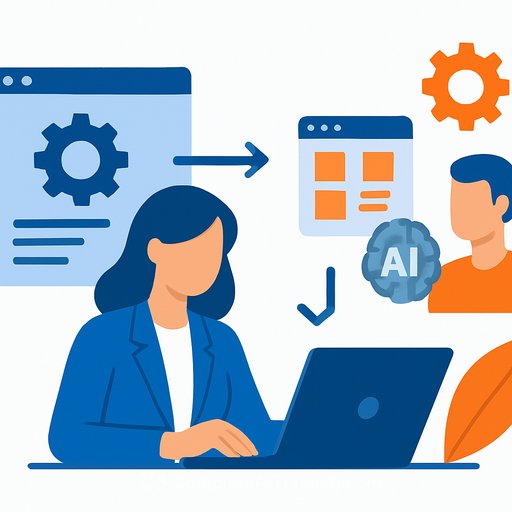
The second tier suits larger, business-critical projects that require governance, reliability, and teamwork between humans and AI. Here, AI acts as a co-pilot rather than taking over. It writes test cases, suggests code snippets, flags vulnerabilities, and helps with documentation.
Developers still control architecture and validate AI-generated outputs. This partnership blends AI’s speed with human judgment to balance innovation with risk. It requires humans to sharpen skills like context curation and intent framing to better align expectations with AI results.
3. High-Reliability, Long-Term Software
The top tier applies to mission-critical systems that must be durable, secure, and compliant over long periods. These systems often support enterprise-wide processes or customer-facing platforms where failure isn’t an option.
AI’s role here is mostly assistive, automating repetitive tasks or analyzing telemetry data. The bulk of development remains human-led, focusing on resilience, quality, and maintainability rather than just speed.
Operational Shifts to Support AI Integration
Adopting this framework requires changes beyond development practices. Traditional delivery models based on static requirements and big releases won’t work. Instead, organizations need agile, product-focused structures that support rapid iteration and continuous feedback.
Modernizing IT infrastructure is crucial. This means building modular platforms, avoiding vendor lock-in, and creating scalable pipelines that can support AI-powered tools. Equally important is a strong data strategy. Clean, contextualized, and trustworthy data improves AI effectiveness. While newer AI models need less dependency on perfect data, investing in data governance and interoperability remains vital.
The human factor is critical. Developers, testers, and product teams must learn new skills like prompt engineering and interpreting AI outputs. Continuous learning is essential to keep up with evolving AI tools. Developers who understand AI will have a clear advantage over those who don’t.
Better, Faster, and More Precise Development
AI won’t replace developers, but it will change how software gets built. The future is software crafted faster, with higher precision and better results. Similar to how cloud computing transformed IT infrastructure, AI is reshaping the software lifecycle.
By embracing this three-tiered framework and updating operational models, organizations can optimize their development processes and prepare their application ecosystems for the future. Cultivating a culture of continuous learning and innovation will keep teams competitive and ready for what’s next.
For those looking to sharpen their skills in AI-driven development, exploring Complete AI Training offers a variety of courses tailored to developers and IT professionals.
Your membership also unlocks: