
AI news ·
Travel and tourism summit brings together industry leaders to discuss AI, sustainability and aviation's future
Travel and tourism executives at the 2026 Iconic Summit agreed that AI, sustainability, and human service must work together to shape the industry's next decade. A key focus was AI that predicts traveler needs rather than just responding to them.
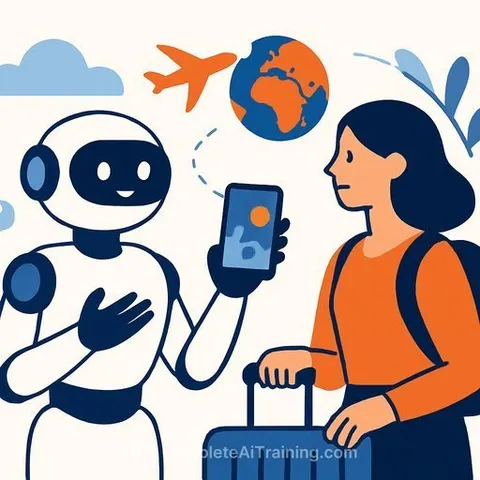
Travel Industry Leaders Focus on AI, Sustainability, and Human Service at 2026 Summit
The Iconic Travel and Tourism Summit in late April 2026 brought together aviation, hospitality, and travel technology executives to map the industry's next decade. The consensus was direct: travel's future depends on integrating technology with empathy, sustainability, and genuine human interaction.
Breaking Down Industry Silos
Airlines, hotels, and tour operators have historically operated separately. The summit highlighted a shift toward what leaders called a "Seamless Passenger Journey"-where a traveler's biometric data follows them from airport lounge to hotel check-in, eliminating repetitive paperwork and delays.
The discussion extended beyond technology. Aviation CEOs and hotel executives discussed "Service Continuity," ensuring that the quality of service in a first-class cabin matches what guests experience when they arrive at a luxury resort.
AI That Anticipates Rather Than Reacts
AI systems at the summit demonstrated a shift from answering questions to predicting guest needs. When a flight delays due to weather, AI now automatically rebooks airport transfers, notifies hotels of late arrivals, and suggests restaurants matching the traveler's dietary preferences.
This approach, which summit participants called the "Silent Concierge" model, frees hotel and airline staff from logistics troubleshooting so they can focus on genuine, high-value guest interactions. Learn more about AI for Hospitality & Events and how Generative AI and LLM enable this type of personalized service.
The Value of Human Hospitality
A striking theme emerged from a summit dominated by tech leaders: the defense of human hospitality. As automation increases, the value of a warm welcome and genuine local recommendation has actually grown.
Hotels and airlines are investing in training programs that build "Emotional Intelligence" among frontline workers. The competitive advantage is no longer just an app-it's staff who make travelers feel seen and valued in an increasingly digital world.
Sustainability Becomes Standard Operating Procedure
The industry moved past compliance language. Aviation leaders presented timelines for widespread adoption of Sustainable Aviation Fuel and early testing of hydrogen-powered regional flights. Hotels showcased "Zero-Waste Hotel" models where energy consumption, food sourcing, and waste management operate within circular economy principles.
Sustainability is now a requirement to operate in the modern travel market, not a marketing advantage.
Travelers Seeking Cooler Climates and Smaller Cities
Data presented at the summit showed travelers increasingly choosing secondary cities and cooler destinations over crowded bucket-list hotspots. This trend, called "Coolcationing," benefits regional tourism boards by spreading travel's economic impact to previously overlooked communities while reducing over-tourism in major capitals.
The 2026 summit concluded with a shared vision: travel functions as an economic engine, cultural bridge, and essential human experience. The roadmap outlined suggests a future where technology removes friction while people provide care-keeping travel human at its core.