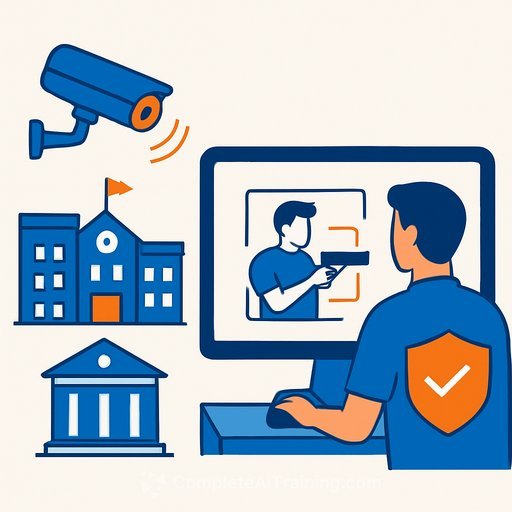
TruePath Vision Adds AI Weapon Detection: What It Means for Hotels, Schools, and Public Venues
Security used to be a back-of-house function. Now it's a core guest experience issue. With TruePath Vision expanding its AI platform to include weapon detection, hospitality and event leaders have a clear signal: smarter, earlier threat identification is moving from "nice to have" to standard.
This isn't about replacing people. It's about giving your team earlier alerts, tighter response times, and cleaner incident logs without slowing check-in lines or entry flows.
Why this matters for hotels and venues
- Reduce risk at chokepoints: lobbies, valet areas, loading docks, and event entrances.
- Protect brand trust: visible, responsible security builds confidence with guests, planners, and partners.
- Improve response: real-time alerts let staff act before a situation escalates.
How AI weapon detection typically fits your operation
Most platforms analyze live camera feeds for shapes and behaviors associated with firearms or other weapons. When confidence crosses a threshold, the system alerts specified roles: security, front office, or event control.
The real value is in workflow: who gets the alert, how it's verified, and what happens in the next 60 seconds. That's where outcomes are won or lost.
Quick implementation checklist
- Map risk zones: front desk, bar entrances, event doors, loading dock, and garage levels near elevators.
- Audit cameras: ensure angles, resolution, and lighting support reliable detection.
- Define alert paths: who reviews, who responds, and what the guest-facing script is.
- Integrate comms: route verified alerts into radios, SMS, or your incident platform.
- Run drills: tabletop, then live tests during low-traffic windows.
Policies you'll need
- Verification rules: what counts as a valid alert; when to escalate to law enforcement.
- Privacy and retention: what you store, who can access it, and for how long - consult the AI Learning Path for Regulatory Affairs Specialists for guidance on compliance, retention, and audit documentation.
- Guest communication: signage and language that set expectations without causing alarm.
- Contractor access: protocols for vendors, performers, and event staff at back-of-house entries.
Metrics to track
- Time to acknowledge: seconds from alert to human review.
- Time to decision: seconds from review to action.
- False positives/100 hours: keep this visible and trending down with camera and policy tweaks.
- Event throughput impact: entry speeds before vs. after deployment.
- Training completion: percentage of staff certified on the new protocols.
Vendor questions to ask
- What camera specs and placements do you require for acceptable performance?
- How are confidence thresholds set, and who can adjust them?
- What's your process for bias testing and independent evaluation?
- How do you log, export, and redact incidents for legal and insurance needs?
- What are the failover behaviors if a camera or network segment goes down?
Train the team (front-of-house to BOH)
Security isn't just security's job. Front desk, concierge, banquet captains, and AV teams should know the alert flow, the escalation tree, and the guest-friendly language to use during pauses or reroutes. Team leads and project owners can follow the AI Learning Path for Project Managers to structure pilots, drills, and incident-response workflows.
Short micro-drills work best. One scenario per week, 10 minutes each, logged and rotated by department.
Compliance, risk, and best-practice references
30/60/90-day rollout plan
- Day 30: site survey, camera audit, risk map, draft policies, pilot zones selected.
- Day 60: pilot live in 2-3 zones, integrate alerts into radios/incident tools, run drills, tune thresholds.
- Day 90: expand to priority entrances, finalize SOPs, train all shifts, start monthly metrics reviews.
Budget notes
- One-time: camera upgrades, network adjustments, initial setup, training.
- Ongoing: software licensing, monitoring, refresh training, periodic revalidation of camera coverage.
- Offset: reduced incident costs, stronger event sales confidence, potential insurance discussions.
Bottom line
AI-based weapon detection can tighten your safety posture without slowing the guest experience-if you design the workflows, train your people, and measure what matters. Start small, tune fast, and scale where the risk and payoff are clear.
Helpful training for your team
If you're building staff capability around AI-enabled tools and policy, explore role-based options here: AI courses by job.
Your membership also unlocks: