
AI news ·
Trump administration vows to crack down on Chinese extraction of U.S. AI models
The White House issued a memo Thursday targeting China's alleged theft of U.S. AI capabilities through model distillation. Enforcement faces long odds-experts say spotting unauthorized extraction is like finding needles in an enormous haystack.
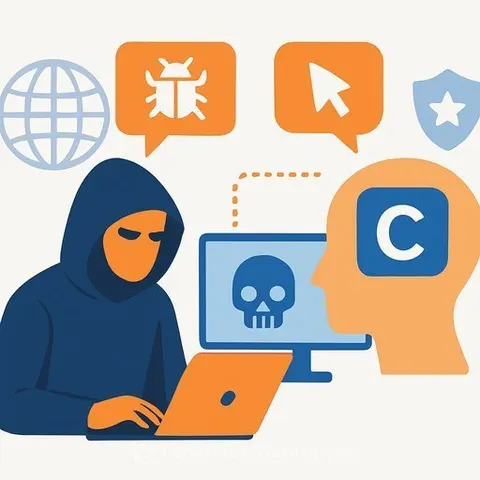
Trump Administration Targets Foreign AI Model Extraction
The White House is moving to stop foreign companies from copying capabilities built into U.S. artificial intelligence systems, with a Thursday memo specifically naming China as the focus.
Michael Kratsios, the president's chief science and technology adviser, accused foreign entities "principally based in China" of running industrial-scale campaigns to extract, or "distill," capabilities from leading American AI models and exploit U.S. expertise. The administration will work with American AI companies to identify these activities, build defenses, and punish offenders.
The timing reflects a narrowing gap between U.S. and Chinese AI capabilities. Stanford University's Institute for Human-Centered AI reported recently that the performance gap between top American and Chinese models has "effectively closed."
What Distillation Means for Your Business
Model distillation involves training a less capable AI system on the outputs of a stronger one. It's a legitimate technique when used internally, but becomes problematic when competitors use it to acquire powerful capabilities from other labs in a fraction of the time and cost it would take to build independently.
Anthropic, maker of Claude, accused DeepSeek and two other China-based AI labs in February of using distillation to "illicitly extract Claude's capabilities." OpenAI made similar allegations about DeepSeek, the Chinese startup that rattled U.S. markets last year by releasing a competitive large language model at a fraction of the cost.
The issue cuts both ways. San Francisco startup Anysphere recently acknowledged building its Cursor coding tool on an open-source model from Chinese company Moonshot AI.
Congressional Action and Practical Challenges
The House Foreign Affairs Committee unanimously backed a bill this week to identify foreign actors extracting "key technical features" from closed-source U.S. AI models and impose sanctions on offenders.
Kyle Chan, a fellow at The Brookings Institution and expert on Chinese technology development, said enforcement will be difficult. Separating unauthorized distillation from legitimate data requests across the vast volume of AI interactions amounts to "looking for needles in an enormous haystack."
Information sharing and coordination among U.S. AI labs could help, Chan said, with the federal government playing a facilitating role. But the political dynamics remain uncertain-Trump may be reluctant to escalate tensions with China ahead of a planned mid-May state visit to Beijing.
China's Response
China's embassy in Washington rejected the accusations. Spokesperson Liu Pengyu said China opposes "the unjustified suppression of Chinese companies" and remains committed to scientific cooperation and intellectual property protection.
China's Foreign Ministry called the U.S. claims groundless and accused Washington of smearing Chinese AI achievements.
For managers overseeing AI initiatives: Understanding generative AI and LLM security practices is now a business risk issue. Organizations should review how their models are accessed and what safeguards exist against unauthorized extraction. AI for Executives & Strategy training can help leadership understand the competitive and regulatory stakes involved in AI intellectual property.