Trump's AI Executive Order Sets Up a Federal-State Clash Over Regulation
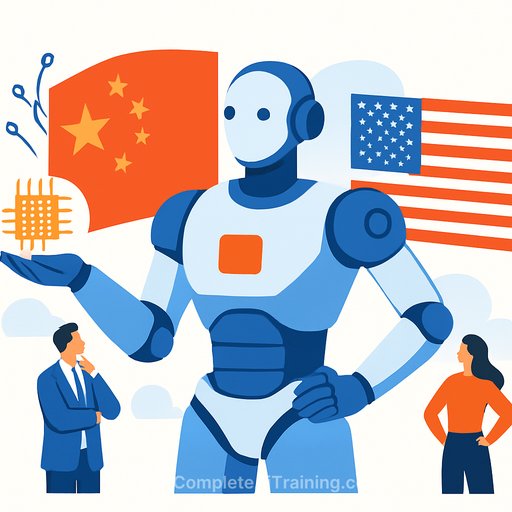
President Donald Trump signed an executive order to establish a national framework for AI regulation, aiming to curb state-level rules he argues hinder U.S. competitiveness with China. Supporters in the tech sector say it clears a path for innovation. Democratic lawmakers, state officials, and consumer groups say it overreaches and will face immediate legal challenges.
What the order does
- Challenges state AI laws: Directs Attorney General Pam Bondi to create a task force to contest state AI regulations deemed burdensome.
- Targets "onerous" rules: Instructs the Commerce Department to identify state AI laws viewed as restrictive and signals potential loss of federal funding for those states.
- Signals federal primacy: The White House says it will push back on state laws it believes reduce national competitiveness, while not targeting child safety statutes.
Why this matters for government professionals
State and local agencies should expect new friction with federal counterparts over AI oversight, especially on enforcement, funding, and procurement. The order could prompt litigation that delays or reshapes state AI rules, complicating compliance timelines for public programs and vendors.
Agencies procuring AI systems may face shifting requirements as federal guidance evolves and states defend their laws. Coordination with attorneys general, CIOs, and procurement leads will be crucial.
Pushback and support
Sen. Amy Klobuchar called the approach "most likely illegal," arguing that federal standards shouldn't erase existing protections. Consumer advocates say a president cannot unilaterally preempt state law and expect the order to be struck down in court.
Tech leaders, including at Andreessen Horowitz, applauded the move as a first step and urged Congress to codify a national framework. White House AI advisor Sriram Krishnan said the administration wants to work with Congress and push back on "doomer" laws in multiple states.
Impact on current state AI laws
Colorado's law, set for June, requires AI developers to address foreseeable risks of algorithmic discrimination. One of its co-sponsors said the executive order won't change that law because an order cannot compel a state's actions.
California will require major AI firms to disclose safety protocols starting in January. State leaders argue that federal competitiveness claims are undermined by recent chip sale decisions benefiting foreign markets, highlighting policy contradictions that could factor into political debate but not necessarily the legal analysis.
Legal questions to watch
- Preemption limits: Executive orders direct federal agencies; they don't automatically nullify state law. Preemption typically relies on congressional statutes under the Supremacy Clause. See primers on executive orders and preemption for context: CRS: Executive Orders-An Introduction and Supremacy Clause overview.
- Funding conditions: Withholding federal funds to pressure states can trigger challenges under the Spending Clause. The scope, clarity, and relation of any conditions to federal programs will be scrutinized.
- Litigation pace: Expect swift suits from states and advocacy groups seeking injunctions. Early rulings could freeze parts of the order while courts assess statutory authority and constitutional claims.
Congress remains pivotal
Attempts to tack a moratorium on state AI laws onto the National Defense Authorization Act failed, showing the limits of quick legislative fixes. Even supporters of the executive order say a lasting national AI framework requires congressional action.
Geopolitics and mixed signals
The administration frames the order as essential for competing with China. At the same time, Trump said he will allow Nvidia to sell advanced H200 chips to "approved customers" in China, with a proposed 25% revenue cut to the U.S., drawing criticism from California officials who argue that undercuts the competitiveness claim.
What state and local leaders can do now
- Inventory exposure: Map where your programs rely on or regulate AI (procurement, public benefits adjudication, law enforcement tech, education tools).
- Coordinate legal strategy: Work with your AG's office on potential impacts, especially if your state has enacted or is drafting AI laws.
- Vendor readiness: Require clear documentation on model risks, testing, and safeguards for discrimination and safety-regardless of federal-state disputes.
- Prepare for funding questions: Identify grants or programs that could be tied to federal conditions; develop contingency plans.
- Monitor rulemaking: Track DOJ and Commerce actions under the order; submit comments to shape definitions of "onerous" regulation.
What to watch next
- Which state laws DOJ targets first and whether courts grant preliminary injunctions.
- Commerce's criteria for "onerous" regulation and any funding conditions attached.
- Whether bipartisan talks produce a federal AI bill with clear preemption language.
Bottom line
The order sets up a legal and policy test: how far a president can go to curb state AI regulation without Congress. For government teams, the smart move is to keep advancing practical AI safeguards while preparing for litigation-driven volatility.
Skill up: If you're building internal AI guardrails or procurement standards, see curated government-focused AI training options here: Complete AI Training - Courses by Job.
Your membership also unlocks: