
AI news ·
Tulsa attorney says artificial intelligence can generate false legal information and should not replace a lawyer
Unverified AI legal research risks sanctions, a Tulsa attorney warns. The 2023 Mata v. Avianca case highlights this after a lawyer filed briefs citing fabricated precedents.
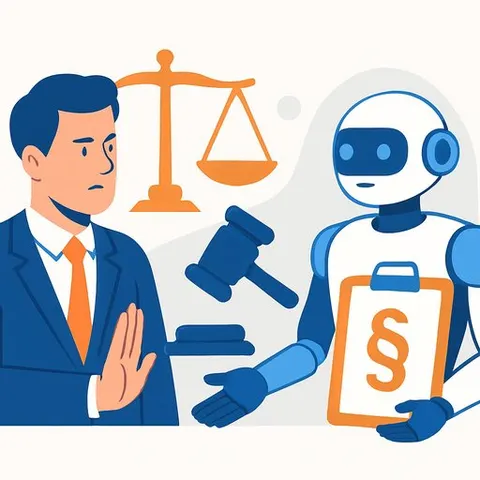
Tulsa attorney Lashandra Peoples-Johnson warns that while artificial intelligence can serve as a useful starting point for legal research, treating AI-generated output as reliable legal advice carries serious risks - including sanctions from judges, missed court deadlines, and the accidental loss of legal rights.
"It looks real," Peoples-Johnson said, describing AI hallucinations that fabricate court cases, statutes, and legal precedent. "People who are not attorneys can go and use this as real law thinking that it's real because it looks real."
How attorneys actually use AI
Peoples-Johnson said lawyers increasingly turn to AI during the early stages of legal research to identify statutes, case law, and other resources. The technology provides a starting point - not a replacement for traditional research. Attorneys must verify whether the information is accurate, current, and applies to a client's specific jurisdiction. A case from New York may address a similar issue, but an Oklahoma court will generally rely on applicable Oklahoma law.
For legal professionals looking to build these verification skills, AI for Legal resources cover how to integrate AI tools into research workflows without sacrificing accuracy.
The Mata v. Avianca warning
Peoples-Johnson pointed to the 2023 case Mata v. Avianca, where a New York attorney was sanctioned after filing legal briefs that cited ChatGPT-generated cases which did not exist. Judges do not prohibit AI use, she said, but they expect every citation and legal authority to be verified before it appears in court. That same standard often applies to people representing themselves.
Failing to verify AI-generated information can result in sanctions, weaken a legal case, or cause someone to lose important legal rights. Common consumer mistakes include filing wrong paperwork, missing statutes of limitation, relying on outdated laws, and accidentally waiving rights because AI pulled from old information.
What AI can and cannot do
Peoples-Johnson recommends AI for explaining complex legal concepts in plain language, organizing documents and timelines, drafting questions to ask an attorney, and creating rough drafts of legal documents for attorney review. "Get it started and then have an attorney verify that it's correct and kind of tweak it," she said.
She also cautioned against entering sensitive case information into AI platforms. Unlike conversations with a licensed attorney, details shared with AI services may not receive the same legal protections.
Why this matters for legal professionals
The core takeaway for paralegals, associates, and solo practitioners is that AI accelerates research and document preparation but cannot replace jurisdictional judgment. A document review tool might flag relevant case law, but only a trained professional can determine whether that precedent is binding in the correct court. For those building these competencies, an AI Learning Path for Paralegals offers structured training on integrating AI into legal document review and research workflows. Peoples-Johnson's rule is simple: always verify before relying on AI-generated legal information in court or in any decision that affects a client's rights.