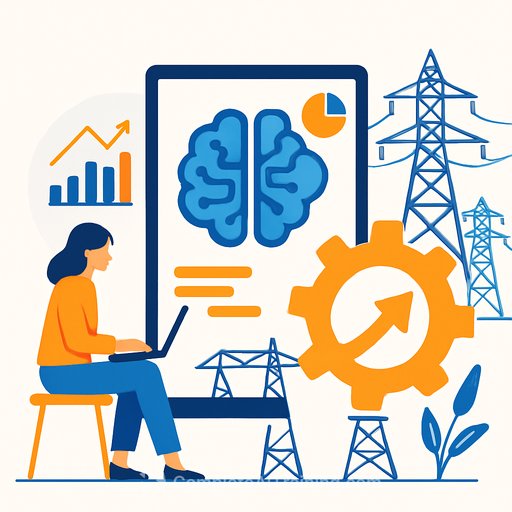
Turning Data into Decisions: AI’s Role in Next-Gen Utility Asset Management
Utilities today face aging infrastructure, extreme weather, rising costs, and increasing demands for reliability. The big question is: are we truly leveraging AI’s capabilities or just talking about them? The potential of AI is clear, but it’s time to shift from speculation to real-world application.
AI tools like ChatGPT have become household names, used for various daily tasks. However, the flood of AI solutions claiming to solve everything can lead to fatigue. Without concrete examples of AI delivering measurable benefits, the industry risks getting stuck in endless discussion rather than meaningful progress.
Recent developments prove AI’s value in utility asset management. Automated systems can now identify and assess utility pole components with high accuracy. This reduces human error, streamlines inspections, cuts downtime, and extends asset life. This marks a clear move from concept to practical use.
AI in Action
AI is no longer experimental in utilities. It’s a tested tool that delivers results. Companies managing vast powerline networks in remote areas have refined AI’s role in asset management over the last decade.
Think of how smartphones evolved from 2014 to today’s models. Similarly, AI software has advanced far beyond basic machine learning models. Today’s AI organizes massive amounts of real-world data into actionable workflows.
Many utilities moved from relying on outdated physical maps to digital data. But this often means dealing with large, unorganized, and siloed datasets. The next step is AI-optimized systems that manage the entire inspection process—from planning to reporting—integrating data to provide clear, actionable insights and unprecedented oversight.
One example is the Asset Insights platform. It automates detection and assessment of infrastructure components using advanced machine learning, spotting defects like cracks or corrosion while evaluating overall asset health. This helps utilities prioritize maintenance effectively.
Utilities using AI-driven systems report significant reductions in inspection time and costs. Automation frees up human resources to focus on complex issues requiring human judgment.
Addressing the Challenges
Adopting AI in utility asset management isn’t without hurdles. Integrating new AI systems with existing operations requires employee training, data compatibility, and smooth system integration.
Many utilities still operate on outdated platforms not designed for modern AI software. Integration often demands custom solutions or full system upgrades. This requires technical expertise and careful planning to avoid disrupting ongoing operations.
High-quality, structured data is essential for AI to work effectively. Utilities often have large volumes of inconsistent or unstructured data, which must be cleaned and organized. Though time-consuming, this step is critical to unlocking AI’s benefits.
Training staff to use AI tools and interpret their outputs is equally important. Since many utility workers have years of experience, shifting to data-driven decision-making requires thoughtful change management.
Initial costs of AI implementation can be a barrier, especially for smaller utilities. However, long-term savings and efficiency gains justify the investment. Starting with phased rollouts on critical assets helps demonstrate value and control costs.
Success depends on collaboration between AI providers and utilities, focusing on integration, training, and strategic investments. This approach enables utilities to improve operations without overhauling entire systems.
Looking Ahead
AI’s role in utility management is set to expand. Technologies like the Internet of Things and smarter grids will enable real-time monitoring and automatic adjustments to optimize energy distribution and prevent outages.
As extreme weather risks grow, AI-powered analytics will help utilities monitor vegetation near powerlines and predict failures before they happen, supporting proactive maintenance and safety.
From Discussion to Action
In 2024, AI has shifted utility asset management from reactive to proactive. By applying AI thoughtfully, utilities improve efficiency and build resilience for the future. This transition requires clear planning, strong partnerships, and a focus on long-term goals.
Moving beyond hype, AI is proving essential for sustainable, efficient, and reliable utility operations today and tomorrow.
Your membership also unlocks: