AI-Powered Private School Without Teachers Expands Across the Bay Area
Alpha School opened in San Francisco's Marina this academic year and is now planning campuses in Palo Alto and the East Bay. Demand is growing for a model that drops grades and teachers in favor of AI-led, mastery-based learning and human mentorship.
The pitch is simple: two hours of focused, AI-driven academics in the morning; workshops, projects, and social development in the afternoon. Tuition is $75,000 per year, and leaders say access will improve as they scale.
How Alpha's Model Works
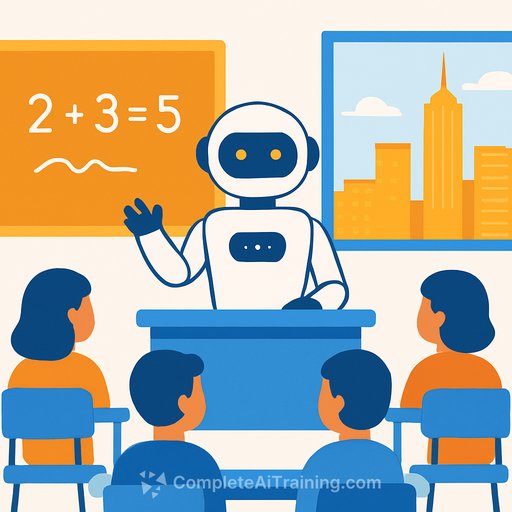
Students complete a two-hour learning block using adaptive apps across subjects. Each learner moves at their own pace, with instant feedback and explanations when they miss a problem.
There are no traditional grades. Progress is tracked on check charts that span academics and durable skills like teamwork, grit, and independence. Adults on campus serve as guides-mentors who provide emotional and motivational support rather than direct instruction.
"School should be a place that kids love going to," said MacKenzie Price, who launched the first Alpha School in Austin, Texas. The network now says it operates 13 campuses nationwide on a one-to-one, mastery-based approach.
Student Experience: Autonomy First
Middle schoolers share a room but work on different skills. "I'm doing my math right now, and I'm working on percentages," said 8th grader June Rockefeller. "If I get something wrong, it explains why and how to fix it."
Students choose their sequence based on where they struggle most, often front-loading tougher subjects while attention is highest. The learning block includes short breaks, followed by lunch and afternoon workshops.
Incentives and Real-World Habits
Alpha uses two incentives: "Alphas," which can be spent at an on-campus Emporium, and real money tied to performance. "If you get 100%, you get $100," said Rockefeller. Many students reportedly invest their earnings rather than spend them.
Kate Liemandt, an Alpha graduate now at Stanford University, said she finished high school math by sophomore year. She keeps the habit of rewarding milestones: "I have a brownie waiting for me after I submit one of my essays."
Mentors Over Teachers
Guides are central to the model. "The adults in the building are able to do what they love-mentoring, emotional support, motivational support," said San Francisco Lead Guide Carson Lehmann. The intent: more human connection through coaching, less time on whole-class management.
Policy Attention and Pushback
Alpha draws questions about screen time, tuition, and the nature of human connection. Still, the approach has caught federal attention.
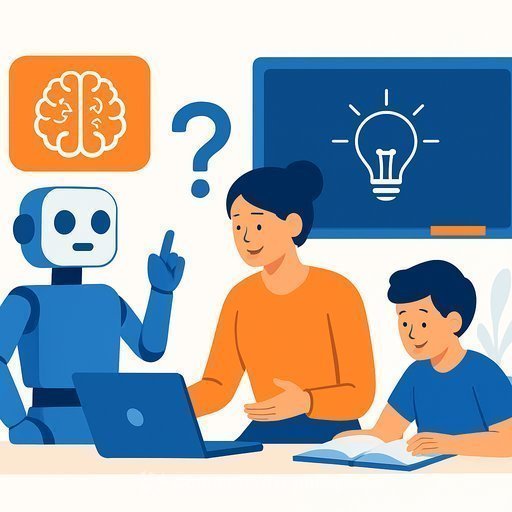
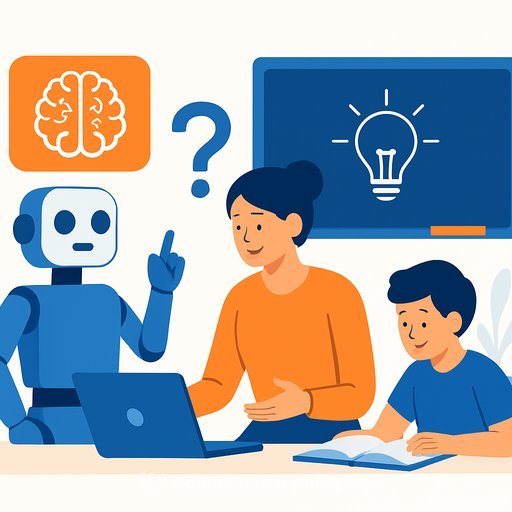
"I do think AI is going to need guardrails, but I have witnessed AI firsthand," said Secretary of Education Linda McMahon. "The AI is acting as an individual tutor, allowing faster progress for some and tailored support for others."
For help crafting school messaging and policy around AI tools, see AI for PR & Communications.
Price said charter applications in several states were denied, but expansion continues. "I do believe that this is the way of the future," said Lehmann. Price believes growth will bring more access and affordability.
What Educators Can Borrow Now
- Use short, focused learning blocks with mastery checkpoints and immediate feedback.
- Shift staff time from delivering content to mentoring, coaching, and SEL support.
- Adopt data dashboards that track skills beyond academics (e.g., independence, teamwork).
- Pilot AI tutors for targeted practice; keep humans front and center for motivation and wellbeing.
- Design incentives carefully-make them transparent, equitable, and aligned with learning (not just speed).
- Set guardrails: device limits, movement breaks, and community norms to protect attention and health.
- Measure real outcomes: growth over time, student agency, and transfer to advanced work-not just seat time.
Due Diligence Questions for School Leaders
- What evidence shows mastery gains with similar demographics?
- How are SEL and belonging measured and supported without traditional teachers?
- What safeguards manage screen time, data privacy, and bias in AI recommendations?
- How are incentives funded, governed, and audited?
- What is the plan for students who need intensive interventions or dislike self-paced work?
Context and Further Reading
For background on AI's use in education and policy considerations, see this overview from the OECD: Artificial Intelligence in Education.
If you're exploring practical upskilling for your team, browse AI course paths by role: Complete AI Training: Courses by Job.
Bottom Line
Alpha's bet is clear: AI for precision practice, humans for mentorship, and autonomy as the engine. Whether you adopt the full model or run a small pilot, the core idea is worth testing-shorter, deeper learning anchored in mastery and agency.
Your membership also unlocks: