AI-Led Schools Like Alpha: Promise, Pressure, and What Educators Should Learn
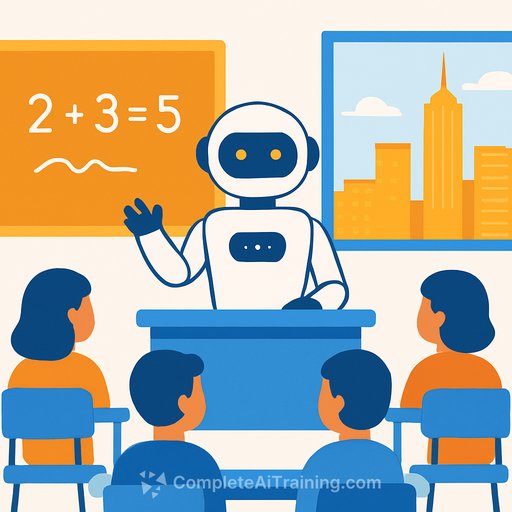
On a tour through Texas, US Secretary of Education Linda McMahon walked into a school with no teachers in the traditional sense. At Alpha's Austin campus, students spend two hours a day learning academics through AI tutors, then move into workshops on money, communication, and problem solving. No textbooks. No homework. Human "guides" support motivation and logistics, not direct instruction.
Alpha's network has grown to more than a dozen sites across the US. The pitch is simple: a personalized, mastery-based path where students move faster and build practical skills. Supporters say the results and student engagement speak for themselves. Skeptics say the evidence base is thin and the culture can over-index on metrics at the expense of learning and well-being.
How the Model Works
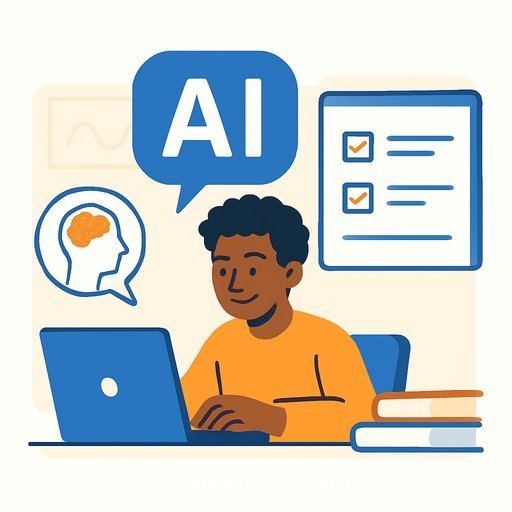
A typical day starts with a short group activity tied to a life skill. Then students plug into laptops or VR headsets for four 30-minute AI-driven blocks in math, science, social studies, and language, plus a 20-minute add-on for study and test-taking skills. The rest of the day focuses on hands-on workshops.
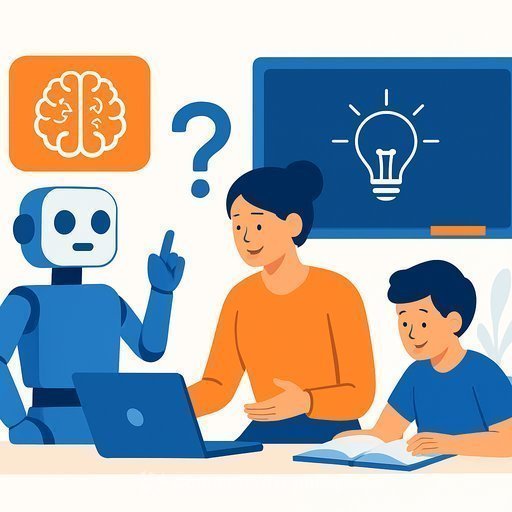
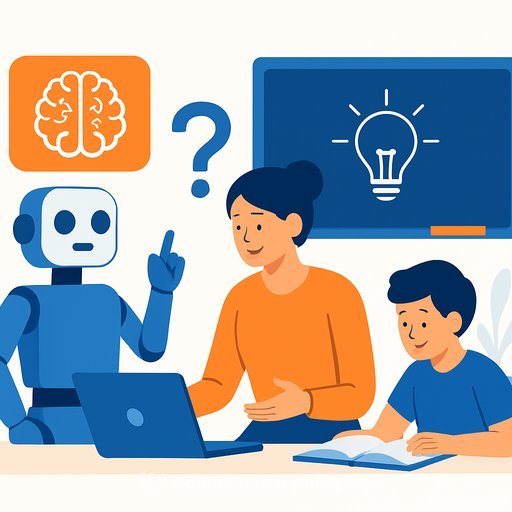
Adults in the room are "guides," not teachers. They run workshops, coach motivation, and help students stay on track. Job postings emphasize no grading and no curriculum delivery by staff. A bachelor's degree is required; education credentials vary by role.
Alpha states the two-hour screen block is comparable to a typical day's screen time in conventional schools. The company says students also have access to handwriting instructors, reading specialists, and support for diverse learners.
What Supporters See
Some families report quick academic gains and strong engagement, especially for students who like independence and clear goals. One parent shared that a young child's reading jumped significantly within weeks and that the child chose to keep learning at home despite no homework requirement.
Incentives are a core lever. Rewards range from pajama-and-movie days and local outings to international trips tied to projects and competitions. Leaders frame incentives as accountability tools that make progress visible and exciting.
Alpha says students learn twice as fast as peers and cites the MAP Growth assessment as evidence. For context on that benchmark and how it's used nationwide, see NWEA's MAP Growth overview.
Where Critics Push Back
Some education researchers say the claims lack independent verification. They point to limited outside access for evaluation, making it hard to confirm results or understand trade-offs in detail. Concerns also include reduced social learning opportunities and over-reliance on screens and AI guidance.
Parents at Alpha's Brownsville campus raised red flags in 2023-2024, citing stress tied to daily metrics and performance targets. A few reported students staying up late to boost scores and felt that motivation drifted from curiosity to point-chasing. Several withdrew, saying their children fell behind in areas that weren't captured by the platform's goals.
Alpha disputes any connection between its schools and anxiety, says the Brownsville site has changed significantly since early rollout, and argues it's unfair to judge current operations by initial years. The company says outcomes have improved with updated apps, reworked goals, and redesigned workshops.
Regulatory Status and Public School Moves
While Alpha grows its private footprint, its charter arm, Unbound Academy, is pursuing public options. Arizona approved Unbound as a virtual model in 2024. Other states rejected applications, citing unproven instructional methods, lack of teachers, and alignment questions with state standards.
What Educators Can Borrow Without Buying the Whole Model
- Time-boxed mastery blocks: Short, focused sprints with clear objectives can improve attention and progress tracking.
- Transparent progress dashboards: Make growth visible, but manage incentives carefully so students don't chase points over learning.
- Workshop-based life skills: Financial literacy, communication, and problem solving belong in weekly schedules, not just special events.
- Human mentors as force multipliers: Even if AI handles drills, students still need adults who model thinking, coach strategies, and build belonging.
- Guardrails for well-being: Cap after-hours work, monitor stress, and check for unhealthy screen habits.
- Support for diverse learners: Maintain access to specialists and ensure AI pathways align with IEPs and 504 plans.
- Assessment fit: If you cite gains, benchmark against relevant peer groups and use multiple measures, not one test.
Build an Evidence Loop Before You Scale
- Run a pilot: Start with one grade or subject for a full term. Define success metrics upfront (growth, engagement, attendance, well-being).
- Independent evaluation: Invite third-party researchers to audit data, observe classrooms, and publish methods and findings; staff designing or commissioning evaluations can consult AI Research Courses to strengthen study design.
- Teacher role clarity: Specify when adults instruct, when they coach, and how they intervene when students get stuck.
- Community buy-in: Communicate expectations to families. Share dashboards and limits on rewards, work hours, and device use.
- Data governance: Vet vendors for privacy, security, accessibility, and bias controls. Document how recommendations are generated.
- Equity checks: Track outcomes by subgroup. Look for gaps in access, pacing, and support.
Reality Check on AI Use in Schools
AI tools are already common in classrooms. A recent poll reported widespread teacher use across the 2024-2025 school year, but also uneven implementation and mixed confidence in outcomes. For a broad view of usage trends, see the Walton Family Foundation's survey summary: State of AI in the Classroom.
The takeaway: AI can speed practice and feedback, but it doesn't replace human connection, modeling, and community. Students still need collaboration, discussion, and shared problem solving to build judgment and citizenship.
What This Means for School Leaders
Adopt with intent, not hype. Use AI where it clearly helps-skill practice, immediate feedback, targeted review-and keep humans front and center for complex thinking and social learning.
Prioritize transparency. If a model claims big gains, open the doors to independent study. Publish methods. Let the data be inspected.
Protect student well-being. Incentives can spark effort, but they can also distort priorities. Set limits. Reward process and collaboration, not just throughput.
Helpful Professional Development
If your team is building AI literacy for classroom use, you might find these resources useful: AI Learning Path for Primary School Teachers and AI Learning Path for Training & Development Managers.
Bottom Line
Alpha spotlights a bold bet: compress core academics into two hours with AI, then use the rest of the day for skills and projects. Some families see strong gains and motivation. Others report stress and shallow learning driven by metrics.
For educators, the smart move is disciplined experimentation. Blend AI for practice and personalization with rich human-led learning. Measure what matters, invite scrutiny, and keep students' curiosity-and well-being-at the center.
Your membership also unlocks: