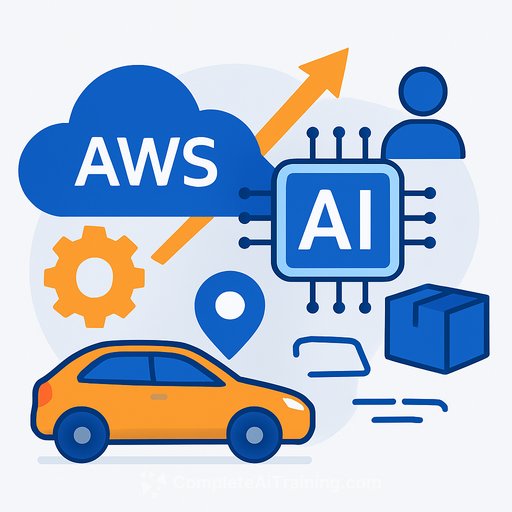
Uber Shifts More Operations to AWS Infrastructure for Real-Time Matching
Uber is expanding its cloud and artificial intelligence infrastructure on Amazon Web Services to handle split-second decisions across ride matching, delivery assignments, and route optimization. The company is increasing its use of AWS Graviton instances to power Trip Serving Zones-the real-time systems that process location data and determine which driver gets which ride request.
The shift addresses a core operational challenge: during peak demand periods like rush hours and major events, Uber's systems must process massive volumes of data while keeping latency low. Graviton-based compute reduces both energy consumption and costs while improving scalability and system reliability.
AI Model Training on Specialized Hardware
Uber has begun pilot training artificial intelligence models on AWS Trainium chips. These models process billions of trip data points to optimize driver and courier assignments, improve delivery accuracy, and generate estimated arrival time predictions.
For operations teams, the practical outcome is faster decision-making. Better matching between riders and drivers means shorter wait times. More accurate delivery predictions reduce customer complaints and improve service consistency.
What This Means for Operations
Uber's engineering leadership said the AWS transition provides the flexibility needed to handle global demand spikes while ensuring faster matching. For operations professionals managing logistics networks or delivery systems, this demonstrates how cloud infrastructure and AI can reduce latency in real-time decision-making.
The approach is relevant if you manage supply chains, delivery networks, or any operation requiring split-second routing decisions at scale. Learn more about AI for Operations or explore the AI Learning Path for Operations Managers to understand how these technologies apply to your workflows.
Your membership also unlocks: