Creatives Confront a Critical Moment Over AI and Copyright Concerns
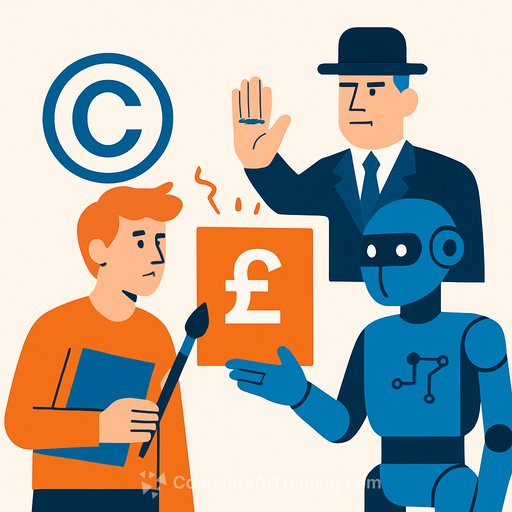
Creative professionals across the UK are facing what a government minister described as a "kind-of apocalyptic moment" amid growing fears about how artificial intelligence (AI) technology interacts with their work. The core issue is the Government's current stance on the use of copyrighted material in training AI models without explicit permission or payment.
A recent protest outside the Houses of Parliament brought together musicians, artists, and politicians demanding stronger protections. High-profile musicians such as Sir Elton John, Annie Lennox, Sir Paul McCartney, and Kate Bush have voiced strong opposition to plans that would make it easier for AI firms to use copyrighted content without compensating the creators. They argue this approach threatens the livelihood of those in the creative sector.
Government’s Position and Legislative Developments
Sir Chris Bryant, a culture and technology minister, acknowledged the worries of creators but confirmed that existing UK copyright laws remain unchanged. He emphasized that works are protected unless they fall under long-standing exceptions like teaching or research, or unless the rights holder consents to their use.
Despite this, the Government opposed a House of Lords amendment that would have required AI companies to get permission from copyright holders and provide transparency about what content was used and when. MPs voted 297 to 168 against this amendment, prolonging the debate between the two Houses over the Data (Use and Access) Bill.
The Government argues that some amendments to the Bill are premature, as they want to await the outcomes of a current consultation on copyright and AI before making further legislative changes. They prefer to avoid piecemeal legislation.
Calls for Transparency and Licensing
Sir Chris Bryant highlighted that some creative industries have already secured licensing agreements with AI companies under current laws, and he expressed a desire to see more licensing arrangements and remuneration for rights holders.
Labour MPs stressed the urgency for transparency and enforceable obligations to protect creators’ work from being scraped and used without consent. Sir Chris responded by committing to prioritizing transparency in future efforts related to AI and copyright.
Looking Ahead: Technical Solutions and Collaboration
The minister expressed hope that a technical solution could be developed to allow creators to protect their rights easily and affordably across all AI platforms. While no such solution exists yet, efforts are underway to explore possibilities.
Once the Data Bill is resolved, the Government plans to establish working groups focused on:
- Defining transparency measures in detail
- Developing technical standards to balance AI data access with creative rights protection
This approach aims to provide creators with both the visibility and control over how their work is used in AI training.
What This Means for Creatives
If you create music, art, writing, or other original content, this debate directly impacts your control over your work and your ability to earn from it. The current legal environment still offers protection, but changes are being considered that may shift how AI companies can use your creations.
Staying informed and involved in discussions about copyright and AI is essential. For creatives looking to understand AI better and explore how it intersects with their work, resources and courses can offer practical knowledge on navigating this evolving landscape. You can explore relevant training options at Complete AI Training.
Protecting creative rights while engaging with AI technology will require ongoing attention from creators, policymakers, and technologists alike.
Your membership also unlocks: