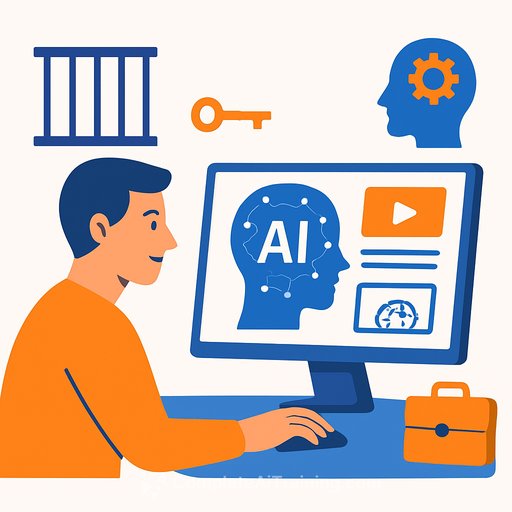
AI tutoring systems could help neurodivergent learners reach employment
James Tweed, CEO of Cambridge-based edtech firm Coracle, is pushing education leaders to adopt AI tools that adapt to how neurodivergent students learn. His company already operates in over 90% of public prisons in England and Wales, delivering courses through offline devices in cells.
Tweed is now developing an AI-powered learning assistant designed to adjust content in real time for learners with dyslexia, ADHD, and other neurodivergent needs. The system, created with the University of Hertfordshire and backed by Innovate UK, responds to how individuals interact with material, their pace, and where they struggle.
The problem with rigid systems
Traditional education systems often fail neurodivergent learners not because of ability gaps, but because they don't accommodate different learning styles. Tweed points to prison populations as evidence: dyslexia appears far more frequently there than in the general population, suggesting many neurodivergent people were excluded from mainstream schooling.
"Too many people are held back not by lack of ability, but by education systems that aren't designed for their specific needs," Tweed said.
Real-time support and confidence building
The AI system recognizes when learners struggle and adjusts support accordingly. This approach helps build skills and confidence that translate directly into employment prospects. Because the system works offline-essential for prison use-it can function without internet connectivity.
Tweed believes the technology extends beyond prisons into mainstream education and workplace training. The gap between education and meaningful employment narrows when learning systems respond to individual needs rather than forcing learners into one-size-fits-all formats.
"We believe everyone deserves a fair shot at building skills and confidence. When learning systems truly respond to the individual, careers-and lives-can change," Tweed said.
Your membership also unlocks: