UK government shelves AI copyright exception after industry pushback
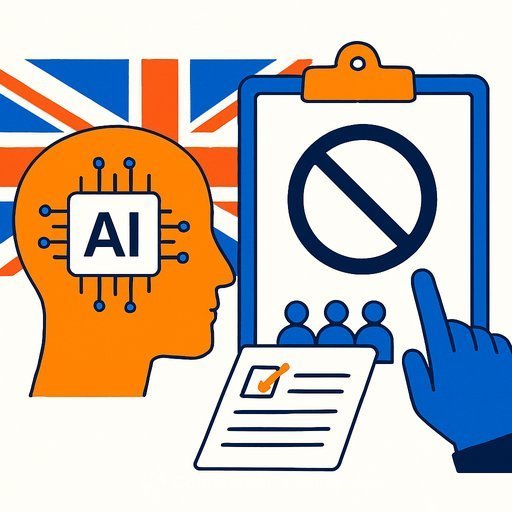
The UK government will not introduce copyright reforms to allow AI developers to train models on creators' work without permission. The decision, confirmed in a report released last week, reverses the government's original proposal for a broad data mining exception with an opt-out mechanism.
The government received 11,520 responses to its consultation launched in December 2024. Creative industries and rights holders overwhelmingly opposed the opt-out approach, arguing it would let AI companies profit from their work without compensation or consent.
What the government originally proposed
The plan would have allowed AI developers to train models on lawfully accessed content without licenses, placing the burden on creators to explicitly opt out and protect their rights. This approach drew sharp criticism from authors, artists, and cultural organizations.
The Society of Authors and DACS, which represents visual artists, both called for stronger copyright protections and transparency requirements instead.
The four options considered
The government's report outlined four policy directions:
- Keep copyright law unchanged
- Strengthen copyright to require licensing in all cases
- Introduce a broad data mining exception
- Create a data mining exception with opt-out and transparency measures (the original proposal)
What comes next
The government said it will gather more evidence before making any changes to copyright law. It will consult stakeholders on alternative approaches and monitor international developments, litigation, and the licensing market.
Liz Kendall, secretary of state for science, innovation and technology, outlined four priority areas for the next phase:
- A summer consultation on protecting people's likenesses from unauthorized AI replication
- A new taskforce to develop standards for labeling AI-generated content, with an interim report in autumn
- A review of tools creators can use to control their work online, including technical solutions and transparency standards
- A working group focused on helping smaller and independent creative organizations license their content
Industry consensus remains elusive
AI developers had argued that copyright exceptions would support innovation and help universities, researchers, and scientists use AI. The creative industries rejected this, saying it would undermine their ability to earn from their work.
One area of cross-sector agreement emerged: both sides backed statutory transparency measures requiring AI developers to disclose what material they used in training. This would help creators understand how their work is being used and negotiate licenses.
The government said any future reform must balance three goals: protecting the UK's creative sector, unlocking AI's economic potential, and ensuring creators receive fair compensation. It concluded that no consensus exists on how to achieve all three.
The government will launch the Sovereign AI Unit in April to develop UK AI businesses and hold an AI Adoption Summit in summer to help larger companies scale AI technology.
Your membership also unlocks: