UK Government Drops Plan to Let AI Firms Use Copyrighted Work Without Permission
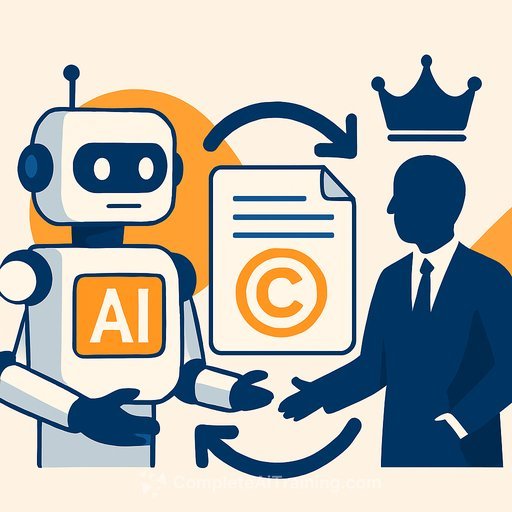
The UK government has reversed course on copyright reform, abandoning its preferred approach that would have allowed artificial intelligence companies to use copyrighted material without artists' consent. Technology Secretary Liz Kendall announced Wednesday that the government no longer has a "preferred option" on the issue after sustained pressure from creators.
The original proposal would have required rights holders to opt out of having their work used to train AI systems. The reversal follows opposition from high-profile figures including Elton John, Dua Lipa, Thom Yorke, and actor Julianne Moore, alongside industry organizations representing writers, actors, and musicians.
What the Government Is Considering Now
The government is evaluating four approaches to copyright and AI:
- Leaving copyright law unchanged
- Requiring AI companies to obtain licenses before using copyrighted work
- Allowing AI firms to use copyrighted material with no opt-out mechanism
- The previously favored opt-out model
An economic impact assessment accompanied the announcement, though the government did not provide specific cost estimates for each option. Requiring licenses could force some AI tools to withdraw from the UK market but might benefit the creative sector overall, according to the assessment. Leaving copyright unchanged could grow the licensing market for creators but might slow UK AI development.
Creative Industries Welcome the Move
Equity, the actors' union, called the reversal "recognition that selling out the UK's creative industries to benefit US tech companies would've been an act of national self-sabotage." The Society of Authors described the announcement as "hard-won" for writers and creators.
UK Music said it was "delighted" but pushed for the government to rule out the opt-out proposal entirely. Ed Newton-Rex, a composer and copyright advocate, cautioned against premature celebration, saying "virtually everything is still on the table" and the decision amounts to "kicking the can down the road."
Next Steps Include New Protections
Kendall announced several additional measures: a taskforce to examine labeling AI-generated content, a consultation on protecting people's likenesses from deepfakes, a working group to help smaller creative organizations license their content, and a review of how creators can monitor AI use of their work.
Beeban Kidron, a cross-bench peer who led opposition in the House of Lords, said transparency requirements alone could resolve the issue. "There is nothing but political will standing in the way," she said, of letting artists see how their work is being used and enabling compensation.
Writers and other creators concerned about AI copyright issues may find resources in AI for Writers and AI for Creatives materials that explore how the technology affects your work.
Your membership also unlocks: