
AI news ·
Unauthorized AI use exposes customer data at CB Financial Services, putting boards on alert
Employees using unapproved AI tools outside company systems are exposing customer data at scale. CB Financial Services learned this after a worker uploaded names, Social Security numbers, and birthdates into an unauthorized app.
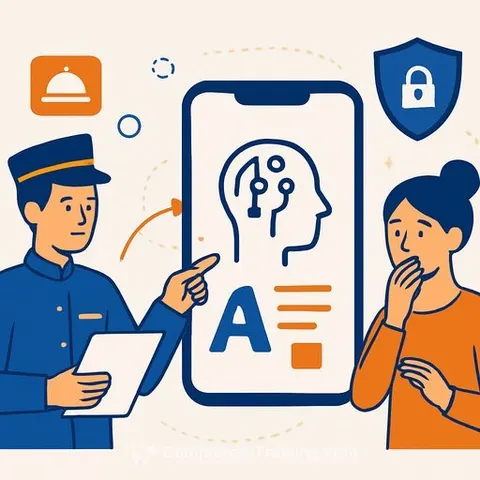
Unauthorized AI Tools Create Uncontrolled Data Breach Risk for Companies
Employees using unapproved AI applications outside company IT systems are exposing sensitive customer data at scale. CB Financial Services discovered this risk the hard way when a worker uploaded customer information into an unauthorized AI tool, inadvertently disclosing names, social security numbers, and dates of birth.
The incident illustrates a critical gap in corporate governance. When employees bypass official channels to use consumer AI applications, they sidestep security controls designed to prevent data exposure. What looks like a productivity shortcut becomes a compliance liability.
The Shadow AI Problem
Security experts call this "shadow AI" - the use of unauthorized artificial intelligence tools that operate outside company firewalls and monitoring systems. Employees often adopt these tools without IT approval, unaware they're routing proprietary or customer data through external servers.
Unlike approved enterprise software, shadow AI applications typically store data on public cloud infrastructure. Terms of service often permit the vendor to use submitted information for model training or other purposes. A single employee action can expose thousands of customer records.
Legal and Regulatory Exposure
In-house counsel face mounting pressure from regulators and customers following these breaches. Data protection laws including GDPR, CCPA, and state privacy statutes impose fines and disclosure requirements when personal information leaks occur.
The CB Financial Services breach triggered notification obligations, potential regulatory investigation, and customer notification costs. Boards increasingly hold legal and compliance officers accountable for preventing these incidents.
What In-House Teams Should Do Now
Effective response requires three components: inventory which AI tools employees actually use, establish clear policies on approved applications, and monitor for violations.
- Conduct a tool audit across departments to identify shadow AI use
- Create an approved AI vendor list with security requirements
- Implement technical controls that block uploads to unapproved applications
- Train employees on data handling risks specific to their role
Legal teams should also review vendor agreements for any AI tools the company officially adopts. Contracts should specify data handling, retention, and use restrictions.
For legal professionals managing these risks, understanding AI for Legal environments can help identify where exposure occurs and what safeguards work in practice. Teams managing document review and compliance workflows face particular risk, as detailed in resources for AI Learning Path for Paralegals.
The cost of addressing shadow AI now is far lower than managing a major data breach later.