
AI news ·
Unemployment insurance must change to cover gig and part-time workers
U.S. unemployment insurance excludes millions of gig and part-time workers facing AI job losses. In some states, maximum weekly benefits are under $300.
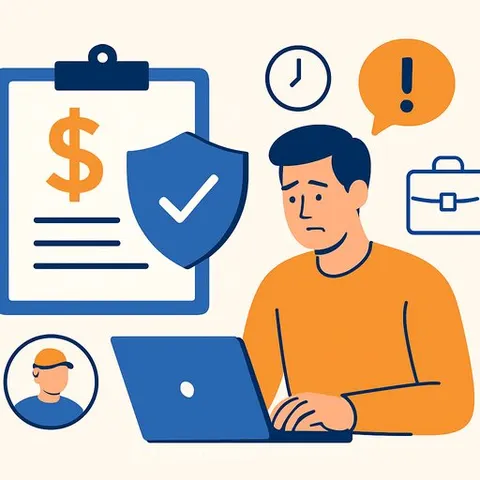
The U.S. unemployment insurance system, designed for a 20th-century workforce, is failing to support workers in an economy being changed by artificial intelligence. The system excludes millions of part-time, gig, and temporary workers, and the benefits it provides often fall short of what families need to survive a job search.
AI-driven automation is accelerating job displacement across industries, from manufacturing to professional services. The current unemployment insurance framework, built on the assumption of full-time, permanent employment, leaves a growing share of the workforce unprotected. As more workers cycle through contract and freelance roles, the eligibility gaps widen.
The gaps in the current system
Most state unemployment insurance programs require a minimum number of hours worked in traditional W-2 employment. Gig workers, independent contractors, and part-time employees often fail to meet these thresholds, even if they have paid into the system through other means. Benefit amounts, typically calculated as a fraction of the worker's previous wages, are capped at levels that leave many recipients below the poverty line. In some states, the maximum weekly benefit is less than $300.
How AI is accelerating the need for reform
Artificial intelligence is automating routine tasks and changing the structure of employment itself. Roles that were once stable are being redefined as project-based work, and the line between employee and contractor continues to blur. The surge in AI-related job displacement means that more workers will encounter the unemployment system at a time when it is least equipped to handle them. Without changes to eligibility and benefit formulas, the safety net will fail to catch those who need it most.
For insurance professionals, the intersection of AI and economic displacement directly affects risk modeling, underwriting, and product design. Resources on AI for Insurance provide deeper insights into how the industry is adapting to these shifts.
Why this matters for insurance professionals
Insurers must track how changes to unemployment insurance could affect the workforce stability of their clients, particularly in sectors vulnerable to automation. Supplemental unemployment products, income protection insurance, and other private-market solutions may see increased demand. At the same time, the insurance industry itself employs millions in claims, underwriting, and actuarial roles and faces its own AI-driven workforce transitions. Staying ahead of legislative proposals and understanding the evolving risk landscape will be essential for professionals who advise on or manage workforce-related coverage.