Universities of Wisconsin move to expand AI across all 13 campuses
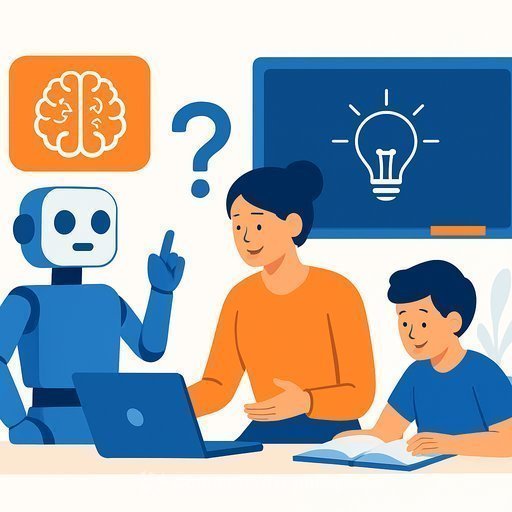
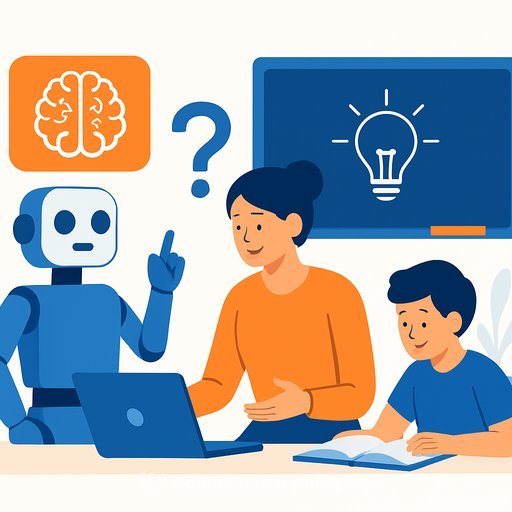
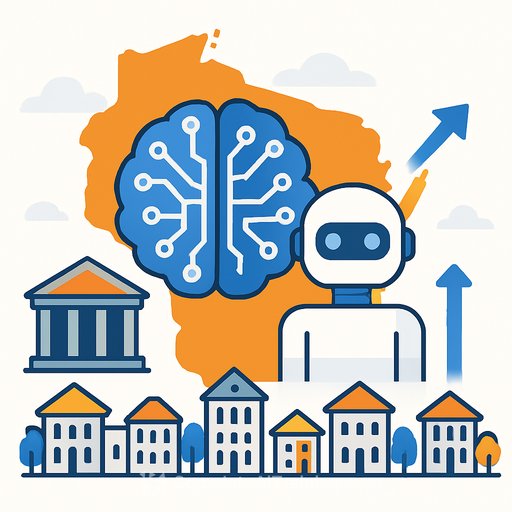
AI is now part of daily work for students and faculty. The Universities of Wisconsin plan to lean in, with UW President Jay Rothman set to brief the Board of Regents on broadening AI use systemwide.
His aim is direct: graduate students who are AI literate and equipped with durable skills that transfer from role to role. At the same time, the system will keep ethics and academic integrity in view.
What leaders and faculty are saying
"We are preparing students for the future... we want to ensure that they are AI literate," Rothman said, noting ongoing research that already affects healthcare, manufacturing, and more.
Min-Seok Pang, professor of Information & Analytics at UW-Madison, puts it plainly: "Banning AI in a classroom is like banning a calculator." He urges responsible use, with accountability for errors. "If you use the outcome of AI and submit it as your work, and if it carries a mistake, it's your responsibility."
Student reality on the ground
Students say AI is routine for studying and practice. "I send in a practice exam and ask for more problems," one student shared.
They also see limits. "It shouldn't replace your knowledge," another said. The message is clear: use AI to learn, not to dodge the work.
Why this matters for educators
AI is moving from novelty to baseline skill. Faculty habits, assessments, and support systems need to catch up without losing academic standards.
The opportunity: better feedback loops, quicker drafts, stronger data analysis, and streamlined admin work. The risk: over-reliance, hallucinations, bias, and gaps in citation and authorship.
A practical playbook for campus leaders
- Set a systemwide AI stance: where AI is allowed, where it's restricted, and how students should disclose use. Use clear, template language in every syllabus.
- Adopt an "AI use matrix" per course: banned, allowed with citation, or required. Pair each level with examples.
- Run faculty workshops with hands-on labs. Focus on prompts, evaluation of AI output, and assignment redesign.
- Create student micro-modules on AI literacy, bias, and academic honesty. Embed them in first-year seminars and capstones.
- Update assessment strategy: more oral defenses, iterative drafts, in-class creation, and process artifacts (notes, outlines, prompts).
- Publish a simple citation policy for AI tools that covers tool name, version/date, prompts used, and how output was edited.
- Use AI responsibly in admin: draft communications, summarize meetings, and analyze surveys-with human review.
- Establish guardrails for privacy and data security. Prefer institution-approved tools with clear data terms.
Suggested syllabus language
Approved uses: brainstorming, outlines, code comments, feedback on drafts. Required: disclosure of which tool you used, your prompts, and how you revised the output.
Prohibited uses: submitting AI text as final work without revision, fabricating citations, and using tools on closed-book exams unless stated. Students remain responsible for accuracy.
Quick wins for the classroom
- Practice exams and problem generation, then student critique of AI quality.
- Rubric-based revision: students use AI for suggestions, then justify acceptance or rejection of changes.
- Case comparisons: students prompt two tools, analyze differences, and correct errors with sources.
- Code walkthroughs: AI drafts starter code; students annotate logic and test edge cases.
Ethics and risk management
Keep bias, privacy, and provenance front and center. Require human verification for any fact, dataset, or citation AI provides.
For a helpful reference, see the NIST AI Risk Management Framework here.
Faculty development: what helps most
- Short, recurring clinics by discipline. Show authentic use-cases, not generic demos.
- Shared prompt libraries with examples that fit your course outcomes.
- Peer showcases: five-minute tours of what worked, what failed, and why.
- A simple intake form to approve new tools, with data and accessibility checks.
Research and operations
- Research: literature scans, code assistance, and data cleaning-with method logs and human oversight.
- Student services: triage FAQs, draft advising emails, summarize policy updates, and refer complex issues to staff.
What to watch next
UW leadership plans to discuss expanding AI use across all 13 universities. Faculty are adjusting practices each semester, as tools and expectations change. The goal is steady: useful skills, ethical use, strong learning outcomes.
Further resources
- UNESCO guidance on AI and education policy basics overview.
- Upskilling for educators: curated AI course paths by job role: AI Learning Path for Primary School Teachers, AI Learning Path for CIOs, and AI Learning Path for Project Managers.
Your membership also unlocks: