University of Phoenix study finds AI-driven storytelling helps adults learn science
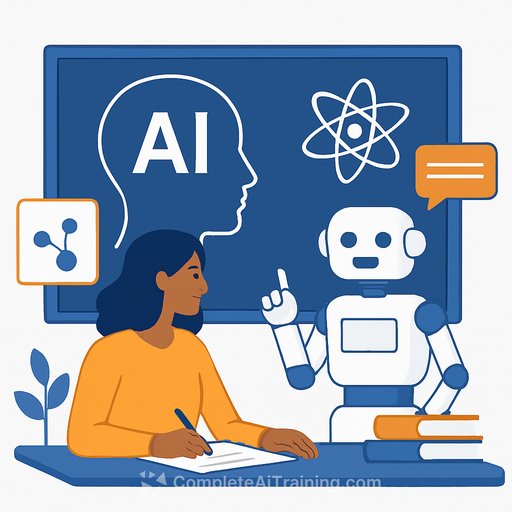
A University of Phoenix study shows that 87% of adult students preferred learning scientific concepts through character-driven narratives created with AI assistance, compared to traditional instruction methods.
Researchers in the Principles of Environmental Science course used generative AI to develop a fictional character named Waverly Water. The character's experiences illustrated how water molecules move through environmental systems.
Jacqueline Kelly, associate dean of the College of General Studies, said the approach works by assigning human traits to scientific concepts. "By assigning those human characteristics, experiences and traits to that, we can create a really rich character that can then be identified with and we can use to support us with storytelling of scientific concepts," Kelly said.
The method produced a secondary benefit: students who learned through the narrative approach communicated scientific ideas more clearly in their own writing and discussions.
The study adds to existing research on AI for education, suggesting that adult learners may absorb abstract material more effectively when it's embedded in relatable scenarios rather than presented as isolated facts.
The findings could influence how institutions teach entry-level science courses to working professionals and career-changers who benefit from contextual learning frameworks.
Your membership also unlocks: