US Government Expands AI-Driven Social Media Surveillance
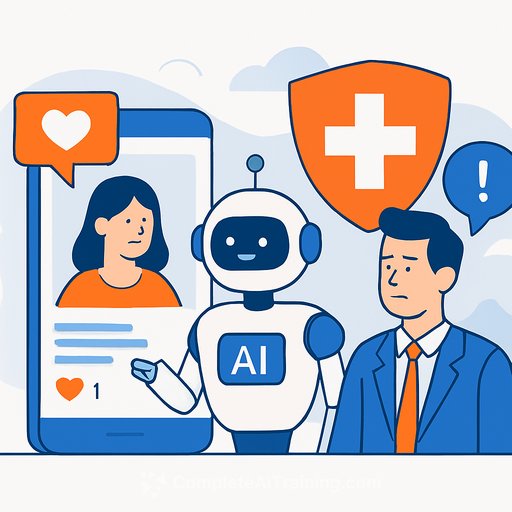
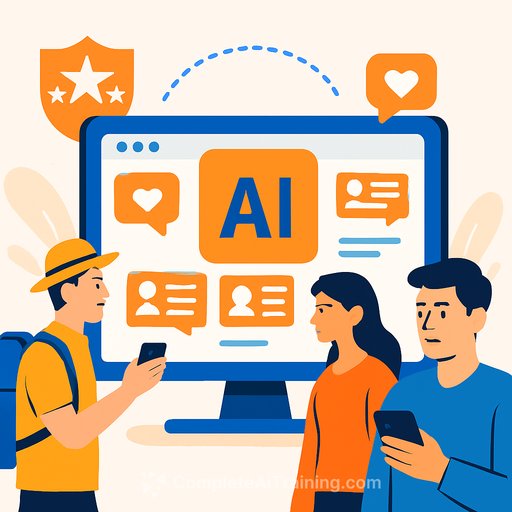
The US government, since the Trump administration, has increasingly used artificial intelligence and data analytics to monitor social media activity. This surveillance targets millions of tourists and immigrants, but the technology's scope could extend to US citizens as well.
Multiple government agencies employ AI tools that scan social media platforms broadly, aiming to track individuals entering the country. While the primary focus is on non-citizens, experts highlight challenges in restricting surveillance exclusively to this group.
Broader Implications for Privacy and Surveillance
Rachel Levinson-Waldman from the Brennan Center for Justice points out that it is "nearly – if not entirely – impossible for the government to focus only on non-citizens and not look at anyone else’s social media." This raises significant privacy concerns about how data on US citizens might also be collected and analyzed unintentionally or otherwise.
For professionals in government, PR, and communications, understanding the nuances of AI-driven surveillance is critical. It shapes how information is gathered and could affect public trust, requiring careful communication strategies.
What This Means for Government and Communications Roles
- Stay informed about AI tools used in surveillance to anticipate public concerns and media inquiries.
- Develop clear messaging that addresses privacy implications without compromising operational transparency.
- Engage with policy updates and legal frameworks surrounding data collection and AI use in government.
For those interested in deepening their understanding of AI and its applications, exploring targeted AI training can be valuable. Courses focused on AI tools and data ethics can provide practical insights for managing communication in this evolving environment.
Sign up to receive regular updates and insights on AI, data analytics, and related topics to stay ahead in your field.
Your membership also unlocks: