Valentino's AI Handbag Ad Backfires: Lessons Creatives Can Use Today
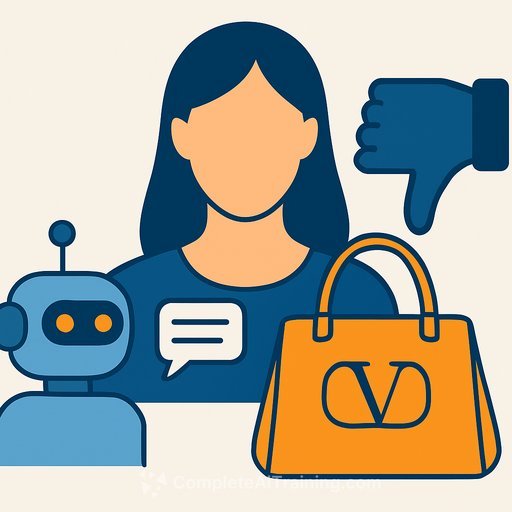
Valentino's new DeVain handbag campaign used AI visuals and got roasted for it. The brand framed it as a "digital creative project," but the Instagram video drew heat fast, with comments calling it "weird," "embarrassing," and "lazy." Media outlets have approached the brand for comment.
The ad is labeled as AI-made. It features a surreal collage: models spliced with Valentino logos, figures emerging from an ornate gold version of the bag, and a logo morphing into arms that swirl into a mass of bodies. Think high-gloss spectacle, but with that uncanny AI sheen people spot in seconds.
One response summed up the mood: "Advertising campaigns are an opportunity to put talented creatives center stage. AI in this instance is lazy at best." Others called it "AI slop" and told the marketing team to "read the room."
Why it hit a nerve
Luxury sells craft, not shortcuts. If the work looks algorithmic, audiences feel the gap between brand promise and execution. That dissonance is louder when your logo is front and center.
Transparency helps, but a label doesn't cover taste. People can tolerate AI in process; they won't excuse it in the final if it looks off, says nothing new, or sidelines human creativity.
Practical takeaways for your next AI-driven campaign
- Lead with concept, not the tool. If the idea works without AI, it'll survive scrutiny with it.
- Keep a human art director in charge. Lock references, palette, composition rules, and motion grammar before production.
- Set a quality bar. Hard pass on uncanny hands, distorted faces, and "morph soup." If you see it, the audience will too.
- Prototype with AI, finish with craft. Use AI for ideation and pre-vis; consider live action, 3D, or matte painting for hero shots.
- Audience test fast. Show rough cuts to a private community panel. Measure sentiment and "would share" rate before you ship.
- Be transparent and proud of the craft. If AI is part of the story, show the human process that shaped it.
- Credit people. Name the director, animators, modelers, prompt artists, and editors. Pay fairly.
- Run a "read the room" check. Market mood, labor sentiment, and brand history matter. Don't bait outrage for engagement.
- Have a kill switch. If early reactions skew negative, pause, edit, or pull. Protect brand equity over sunk costs.
- Write the rationale. One page that explains the concept, why AI serves it, and how you guarded quality. If you can't defend it, rethink it.
What this means for brand teams
AI is cheap to produce and expensive to get wrong. Savings vanish if the work damages trust or drags the conversation away from the product.
Treat AI like any medium with constraints. Define what AI can and cannot do on your brand, implement QA checklists, and keep the "debug look" out of final assets.
Useful resources
- Meta's "Made with AI" labels update - helpful context for disclosure on Instagram.
- AI courses by job - Creative and marketing tracks - practical paths to level up without losing your voice.
AI isn't the villain here. Weak ideas and rushed taste are. Keep the bar high, keep people in the loop, and use the tool to serve the story - not replace it.
Your membership also unlocks: