
AI news ·
Vermont lawmakers approve bill barring AI from making mental health treatment decisions
Vermont passed H.816, barring licensed mental health providers from using AI to diagnose, plan therapy, or deliver treatment. Administrative uses like note-taking remain allowed; violations risk license discipline.
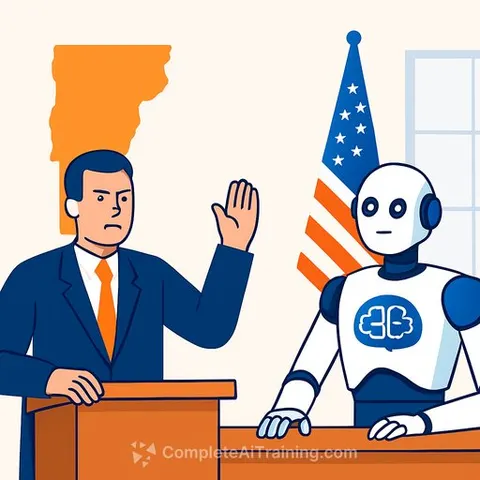
Vermont Restricts AI in Mental Health Treatment, Drawing Line Between Clinical and Administrative Use
Vermont lawmakers approved legislation Tuesday that would prohibit licensed mental health providers from using artificial intelligence to make therapeutic decisions or deliver treatment independently. The bill, H.816, now goes to Gov. Phil Scott for signature.
The measure allows clinicians to use AI for administrative tasks-note-taking, scheduling, transcription-while banning its use in diagnosis, therapy planning, or treatment delivery. Violations would constitute unprofessional conduct, exposing providers to license denial or disciplinary action.
The conference committee voted unanimously to support the bill, which passed both chambers without opposition. If signed, the law takes effect immediately.
Why the restrictions matter
Mental health treatment presents distinct risks when combined with AI systems. Large language models designed to mimic empathy or provide conversational support can blur legal and ethical boundaries in clinical settings, lawmakers and advocates warned.
Reports have documented cases where chatbots gave harmful mental health advice to users-particularly children and teenagers-including encouragement of self-harm or suicide. Vermont lawmakers chose to regulate AI broadly rather than target chatbots specifically.
Rep. Alyssa Black, chair of the House Health Care Committee, said the bill allows practitioners to use AI while affirming that care must be delivered by licensed providers.
What stays unchanged
The legislation does not affect existing AI applications in healthcare. Hospital systems already use AI for diagnostic support-detecting strokes, fractures, and other abnormalities-as well as for transcribing patient visits and drafting clinical notes. Those tools remain permitted.
Next steps
Vermont's Office of Professional Regulation must develop recommendations for broader oversight of AI use by mental health professionals before next year. The state joins a growing number of jurisdictions moving to regulate generative AI in healthcare amid the absence of national standards.