Vibe Coding: Accelerated Innovation or Risky Shortcut?
AI is reshaping how products are developed, introducing new methods to speed up the process. One such method gaining attention is vibe coding. It’s an AI-driven approach that turns simple prompts into functional UI components, collapsing what used to take weeks into just minutes. But like any shortcut, it comes with both benefits and challenges.
What Is Vibe Coding?
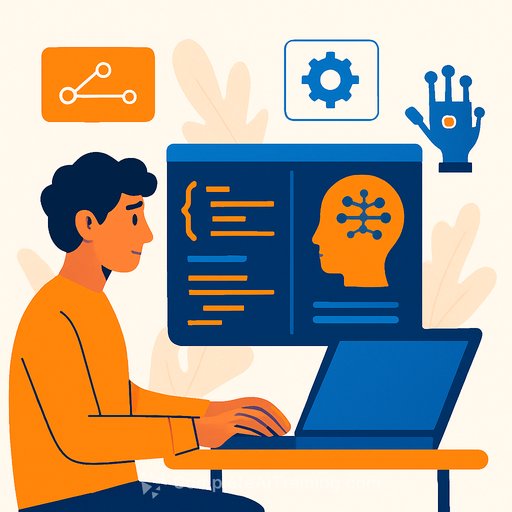
Vibe coding uses AI tools to generate front-end interfaces or basic client-side behavior from natural language prompts. For example, asking an AI to “Build me a sales dashboard showing weekly revenue, lead conversion rates, and top-performing reps with filters for date and region” can quickly produce an interactive dashboard UI. This prototype can be used for internal discussions, strategy feedback, or quick validation.
While it might seem like this tech could replace developers, that’s not the case. Vibe coding is better viewed as a way to quickly move from an idea to something tangible that can be tested and refined.
The Upsides: Speed and Empowerment
- Rapid Prototyping: Vibe coding allows teams to test ideas quickly. A rough prototype can confirm if an idea is worth pursuing without investing heavy resources. This supports lean development and faster MVP launches.
- Non-technical Empowerment: It opens the door for non-coders—whether in product, marketing, or management—to explore and experiment with functional prototypes without deep technical skills.
- Developer Efficiency: Developers benefit by offloading repetitive tasks like boilerplate setup and basic UI wiring, letting them focus on complex logic, integration, and architecture. This approach encourages building smarter, not just bigger teams.
The Downsides: Messy Code and Blurred Lines
- Code Quality: AI-generated code often lacks clarity and can be fragile. A prototype may look functional but be difficult to maintain or extend, requiring experienced developers to rebuild it properly.
- Shallow Understanding: When non-engineers create UI without coding fundamentals, they miss the structural knowledge needed to maintain or improve the code safely.
- Role Confusion: If vibe coding spreads unchecked across departments, it risks causing friction. Product and engineering teams must stay involved to ensure alignment and avoid duplicated efforts or conflicting prototypes.
Best practice is to use vibe coding for quick testing and alignment. Once validated, the prototype should be rebuilt using solid engineering principles. This ensures strategy and execution remain connected.
What This Means for Product Development
Will vibe coding replace engineers? No. It doesn’t address performance, security, scalability, or maintainability. However, it removes barriers to starting new ideas and lets teams explore concepts without pulling engineers away from critical work. In that sense, vibe coding acts as a conversation starter—turning ideas into interactive prototypes faster than traditional wireframes.
Engineers also find vibe coding helpful for speeding up workflows like testing UI patterns or building internal tools. Used thoughtfully, it complements skilled development rather than replacing it.
For those interested in learning more about AI tools that can assist in product development, Complete AI Training offers resources on generative code tools that might be useful.
About Studio Graphene
Studio Graphene is a global digital product studio focused on turning ideas into reality through design, technology, and collaboration. With over 130 specialists across London, Delhi, Lisbon, and Geneva, their mission is to accelerate innovation and make digital transformation accessible to businesses of all sizes.
Your membership also unlocks: