Vinod Khosla's bold tech timeline is arriving faster than expected
Venture capitalist and Sun Microsystems co-founder Vinod Khosla laid out where he thinks technology is headed-and why the pace just picked up. He sees clear movement across AI, sustainable energy, healthcare, and education. His point is simple: we're early, but the signs are concrete.
"For years I've shared predictions about how technology would reshape our world. We're still early in that journey, but we're getting closer every year," he wrote in a thread on X.
AI is moving from novelty to infrastructure
Entertainment and design were an early call. In 2019, he predicted media would become hyper-personal and on-demand. Today, an AI-generated R&B artist, Xania Monet, just hit a Billboard radio chart with "How Was I Supposed to Know?" That's not a party trick. It signals distribution and audience acceptance.
He also flagged the broader shift in 2018 when his firm became the first VC investor in OpenAI. Now, ChatGPT has hundreds of millions of weekly users. Few technologies have reached that scale so quickly, and the impact on how people work is already visible.
From coders to "natural-language builders"
He forecasted a billion people " Coding " in natural language. We're not there yet, but momentum is real. Replit reports 40M+ users and projects $1B in revenue next year as natural-language coding goes mainstream. Translation: software creation is becoming less technical, more conversational.
Healthcare: where the gains hit real lives
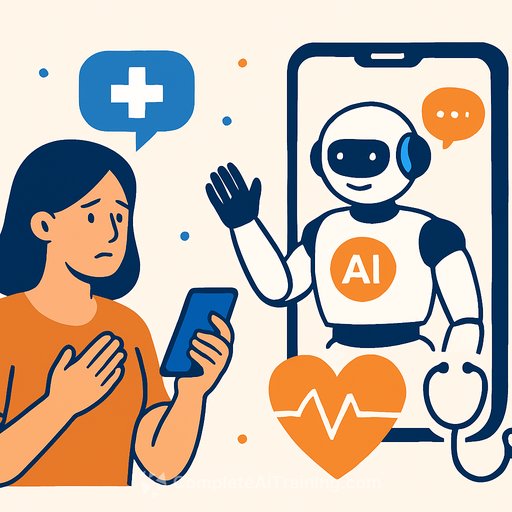
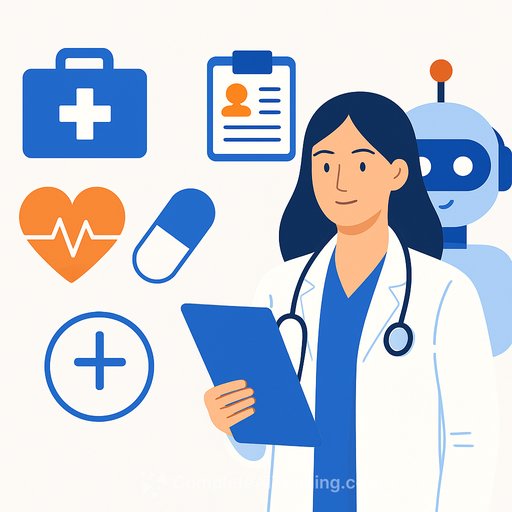
Back in 2012, he predicted machines would replace about 80% of what doctors do, leaving humans to focus on the distinctly human parts of care. Since then, studies have shown AI outperforming doctors in both diagnostic accuracy and empathy across several specialties. One example: a peer-reviewed study found AI responses to patient questions were rated higher on quality and empathy than physicians' replies (JAMA Internal Medicine).
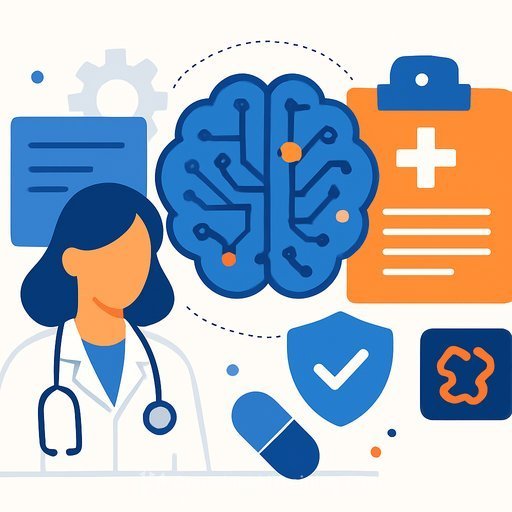
In 2013, he said data science and software would do more for medicine in the next decade than all biological sciences combined. We're seeing it in practice: companies like Curai Health, Sword, Abridge, and Synchron are pushing forward in diagnostics, care delivery, mental health, radiology, and even organ engineering. The through-line: better data, better models, less friction for clinicians and patients.
Education: personalized, multilingual, and always-on
He predicted every child would have a personalized AI tutor. Today, CK-12's AI Tutor Flexi serves millions of students in 300+ languages and dialects (CK-12). Two schools in Texas now run classes with AI teachers, shifting human educators toward coaching and connection. The takeaway for professionals: individualized learning is becoming standard, not a luxury.
What this means for healthcare teams (practical next steps)
- Start with workflow hotspots: triage, documentation, patient messaging, prior auth. Pilot AI tools where time is lost and errors creep in (e.g., AI scribe, clinical summarization, image triage).
- Treat data like a clinical asset: standardize inputs, audit outputs, and build feedback loops with clinicians to improve model performance.
- Adopt an "AI formulary": a vetted list of approved tools with clear indications, contraindications, and monitoring-just like medications.
- Measure what matters: time saved per visit, documentation accuracy, patient satisfaction, and safety signals. Keep what works; kill what doesn't.
- Upskill the team: basic prompt fluency for staff, deeper training for AI champions. Create fast escalation paths for edge cases.
- Guardrails first: privacy, bias checks, human-in-the-loop review, and clear consent. Publish your standards internally so everyone knows the rules.
What this means for non-clinical professionals
- Offload routine tasks: draft, summarize, storyboard, and analyze with AI as your first pass-then refine with your expertise.
- Learn to "talk to systems": natural-language queries for data, code, and content will be a default skill. The sooner you practice, the more leverage you get.
- Build a personal toolkit: one model for writing, one for analysis, one for automation. Keep it simple and consistent.
- Focus on judgment and relationships: as software takes the busywork, your edge is taste, trust, and decision quality.
The bottom line
These predictions aren't science fiction anymore. They're showing up in charts, clinics, classrooms, and daily workflows. If you work in healthcare or any complex organization, the move is clear: pick high-impact use cases, put guardrails in place, and iterate.
If you want structured paths to skill up for your role, explore curated options by job at Complete AI Training.
Your membership also unlocks: