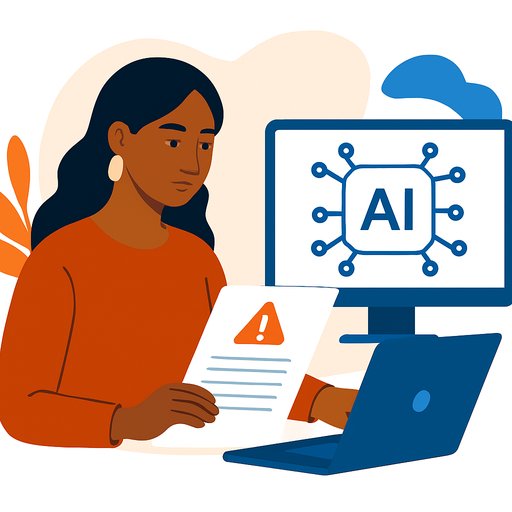
New AI tool helps writers reduce anti-Indigenous bias in their drafts
A new tool under development, wâsikan kisewâtisiwin (Cree for "kind electricity"), is built to flag unintentional anti-Indigenous bias in writing and suggest more respectful alternatives. It's guided by an Indigenous worldview and aims to protect relationships before your work reaches the community.
The project is led by Edmonton-based communicator Shani Gwin, CEO and founder of the Indigenous-owned and led firm pipikwan pêhtâkwan. She started shaping the idea in 2021 as misinformation and bias about Indigenous people grew online, and she saw a way to reduce the emotional labour often placed on Indigenous colleagues and communities.
How it helps your writing
- Acts like a first-pass "intern" that catches harmful phrasing early, so your draft doesn't create avoidable damage.
- Surfaces bias you may not see in your own voice and offers practical rewrites.
- Lets non-Indigenous writers learn without leaning on Indigenous friends or coworkers to explain missteps.
- For Indigenous users, it can blur harmful or offensive language to create a safer online experience.
Why this matters for writers
AI and large language models can magnify existing gaps if they aren't grounded in many perspectives. As Gwin notes, if those voices are missing, the tools can omit or misrepresent Indigenous people. wâsikan kisewâtisiwin pushes in the other direction by centering an Indigenous-informed model.
Where it fits in your workflow
- Pre-publish audit for manuscripts, articles, jacket copy, and marketing materials.
- Policy and institutional comms checks: terminology, context, and tone.
- Sensitivity checks for character names, backstories, and cultural references.
- Comment moderation and community management with safer-language filtering.
- House-style updates: turn repeated suggestions into standards your whole team can follow.
Think of it as your first filter, not your final say. Community consultation, Indigenous editors, and sensitivity readers still matter. A solid companion reference is Elements of Indigenous Style (UBC Press).
Timeline and availability
- Showcase: BookNet Canada's Tech Forum on Dec. 4 (event details).
- Team: two full-time and three part-time contributors.
- Closed beta: early next year with select organizations.
- Expected MVP: Q2 2026.
Who it's for
- Publishers, editors, and copy chiefs who want fewer red flags at copyedit.
- Government, policy, healthcare, and education teams with public-facing documents.
- Any Canadian who wants respectful language without offloading unpaid labour onto Indigenous people.
Quick start checklist for writers
- Run a first-pass check before sending anything to an Indigenous reviewer.
- Track repeated suggestions and bake them into your style guide.
- Pair tool feedback with an Indigenous sensitivity reader for high-stakes work.
- Document preferred terms and context notes for recurring topics and share with your team.
If you're exploring practical tools that support cleaner, safer copy, here's a curated list of AI tools for copywriting you can test alongside this workflow.
Your membership also unlocks: