University of Waterloo launches executive AI program to prepare health care leaders for system-wide transformation
Published: 19 Dec 2025
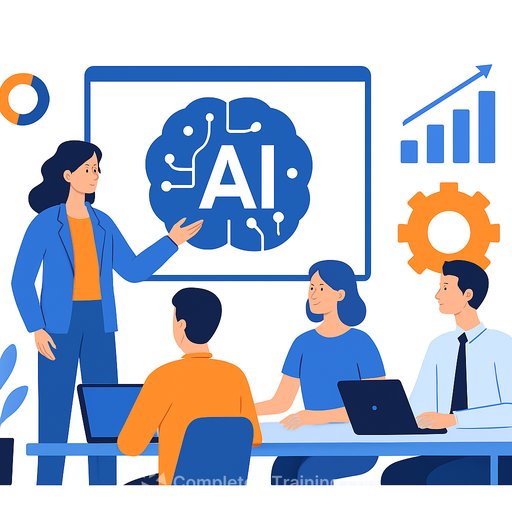
The University of Waterloo has introduced a two-day executive education program on artificial intelligence in health care through WatSPEED, its professional and corporate education division. Built for senior executives across hospitals and integrated systems, the focus is simple: make better decisions about AI adoption, risk, governance, and organizational readiness as tools move from pilots into daily operations.
Preparing leaders to make strategic AI decisions
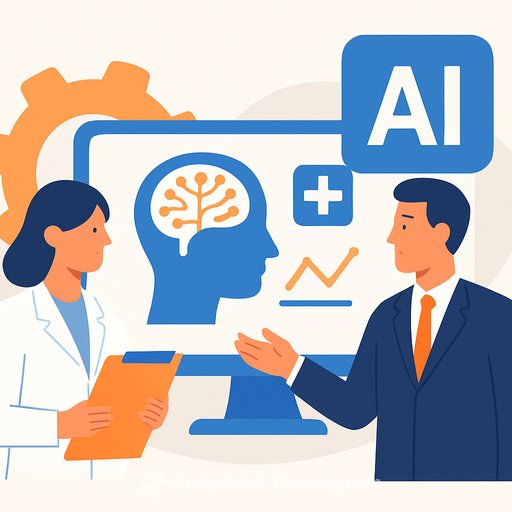
WatSPEED worked with the Waterloo Regional Health Network to shape the program to the realities health system leaders face. Sessions covered how AI is changing patient care, clinical workflows, and hospital operations-and what that means for leadership accountability. The goal: help executives evaluate opportunities, ask sharper questions of technical teams, and introduce new technologies responsibly.
Participants examined the shift from traditional predictive analytics to generative and agentic AI, along with practical approaches for managing change in complex, regulated environments. More than 30 leaders took part, digging into AI strategy development, governance frameworks, and the organizational conditions required for successful adoption.
Strengthening AI capability within health systems
This initiative aligns with the Waterloo Regional Health Network's broader innovation and AI ambitions. By co-developing the program, the network advanced internal dialogue on how AI should be integrated across its organizations. It also sparked wider conversations among participants about the future of care in the region.
Discussions centered on a shared vision for AI use, balancing innovation with patient safety, and setting the policies and leadership structures needed to guide responsible implementation.
Faculty expertise meets real-world challenges
Instruction came from a multidisciplinary group across economics, public health, computer science, management, and applied AI. The faculty-led approach bridged academic research with practical leadership challenges, giving participants a systems-level view of how AI affects decision-making across health organizations. The university positions this as part of a broader push to turn research strengths into practical education for public and private sector leaders.
As adoption accelerates in health care and other public services, demand is growing for executive education that goes beyond technical skills to cover governance, ethics, and system-wide change.
Why this matters for executives
- Move AI from "pilot" thinking to operating model decisions with clear ROI, safety, and accountability.
- Build governance and risk processes before tools scale: data quality, bias, clinical safety, security, and monitoring.
- Set procurement and vendor standards for validation, privacy, and post-deployment oversight.
- Define decision rights across clinical, operational, and IT leadership to avoid bottlenecks and shadow AI.
- Prepare the workforce: upskilling, new roles, and change communications that reduce friction.
- Advance beyond predictive analytics to targeted generative and agentic use cases with firm guardrails.
Action steps you can take next
- Audit your AI portfolio: inventory pilots, map them to strategic priorities, assign accountable owners, and cut what doesn't serve the mission.
- Stand up an executive AI steering committee with clear decision rights and escalation paths.
- Adopt an AI risk checklist for every use case: data lineage, bias testing, clinical validation, privacy/security, human-in-the-loop, and monitoring.
- Require vendors to share model change logs, performance metrics, and safety evidence before and after deployment.
- Invest in leadership education. Explore Waterloo's offering via WatSPEED and set a shared language for AI across your C-suite.
For leaders building a learning agenda
If your team needs a broader view of executive-focused AI learning paths, review role-based options such as AI for Executives & Strategy, the AI Learning Path for VPs of Strategy, and the AI Learning Path for Strategy Managers. Use these programs to standardize expectations, reduce risk, and move faster with clarity.
Your membership also unlocks: