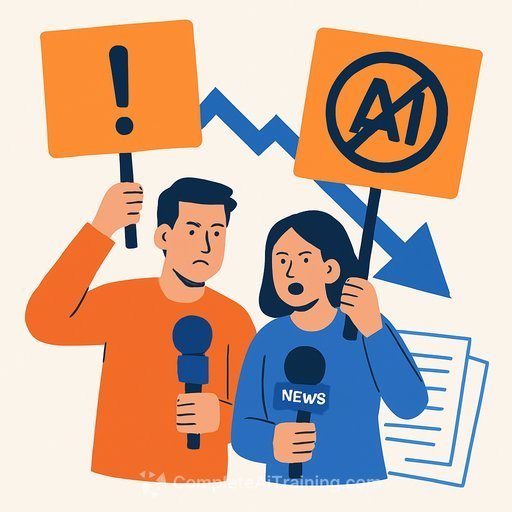
WGA Secures $321 Million Health Plan Boost in Four-Year Contract
The Writers Guild of America reached a tentative deal with studios and streamers that includes a $321 million infusion into the union's health plan, which lost $122 million cumulatively in 2023 and 2024. The four-year contract also raises minimum payments by 10.5 percent, increases residuals, and establishes new rules for AI training use.
The health plan revitalization was the central issue for writers this negotiation cycle. The traditional film and television business contraction combined with healthcare inflation depleted the fund's reserves.
How the Health Plan Gets Fixed
The agreement raises the caps on writer earnings that trigger health contributions-the first increase in decades. The screen project cap jumps from $250,000 to $400,000 by May 2, 2028. This change alone accounts for much of the deal's speed; negotiations closed in three weeks.
The health fund contribution on reported earnings rises 3.25 percent in year one and 0.5 percent in year two, reaching 16.75 percent. The union will also transfer $25 million from its Paid Parental Leave fund to the health plan while maintaining sufficient parental leave benefits.
Writers will absorb some costs in return. Starting in 2027, active plan users pay $75 monthly premiums instead of nothing. Deductibles and out-of-pocket maximums increase. The earnings threshold to qualify for coverage rises from $46,759 to $53,773.
AI Training: Notice Required, But No Direct Compensation
Writers did not secure payment when their work is used to train generative AI systems-their original demand. They did establish that studios and streamers must provide written notice if they license scripts to train commercial generative AI systems.
The union can request discussions about any such licensing deals and potentially negotiate compensation. The language creates a framework for future talks rather than automatic payments.
As studios and streamers integrate AI tools into production, writers should understand how their work may be used. Generative AI and LLM Courses and AI for Writers resources can help writers navigate these emerging workplace changes.
Pay Increases and Residual Changes
Most writer minimums rise 1.5 percent in year one, then 3 percent annually for years two through four. The residual base for high-budget streaming projects increases 2.5 percent in 2027 and again in 2029.
Netflix, Amazon, and Disney+ will pay higher foreign residuals to writers-a 6 percent increase in year one, then adjustments based on the residual base in subsequent years.
The streaming success bonus increases starting in 2027. Titles viewed by 20 percent of a streamer's domestic subscribers now trigger a 75 percent bonus on domestic and foreign residuals, up from 50 percent.
Screenwriters see "second-step" payments increase from 200 percent of the applicable minimum to 225 percent when hired to write a first draft. The deal establishes a new minimum for "page one" rewrites-substantial rewrites of existing screenplays-that exceeds typical rewrite fees.
Starting in 2027, TV writers gain a new rule: if/come deals cannot be exclusive until the company pays the writer an initial fee and completes the first step of the pilot. Format fees increase 42 percent, and span protections expand to cover more writers.
Why Four Years Instead of Three
The contract runs four years rather than the standard three. The Alliance of Motion Picture and Television Producers sought the longer term to secure labor stability after the 2023 dual strikes.
For the union, a four-year deal during industry consolidation and rapid AI development is a calculated risk. Studios had to sweeten the offer substantially to make writers accept that longer commitment.
Next Steps
The WGA West board and WGA East council unanimously approved the agreement on Tuesday. Union members vote on ratification between April 16 and April 24.
Your membership also unlocks: