Why AI Makes a Liberal Arts Education Even More Invaluable
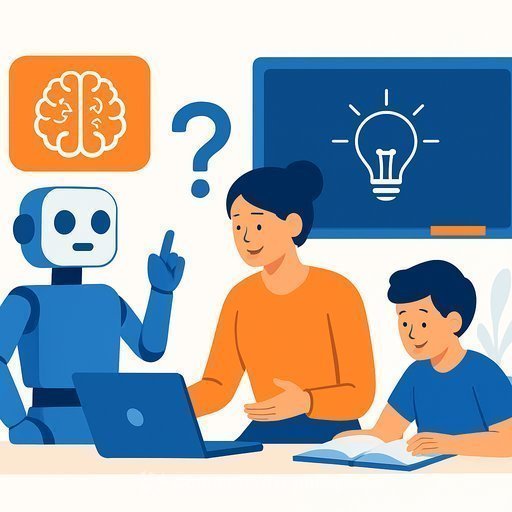
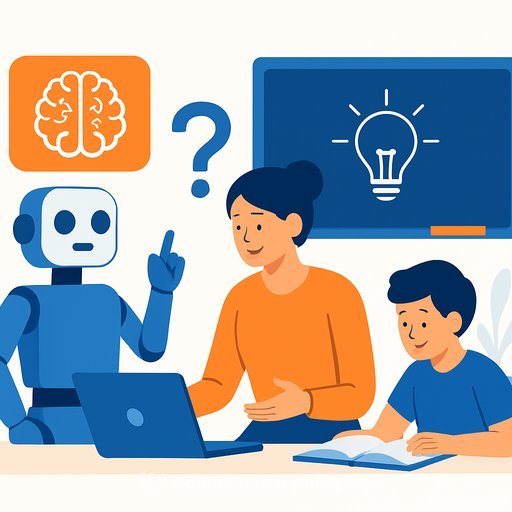
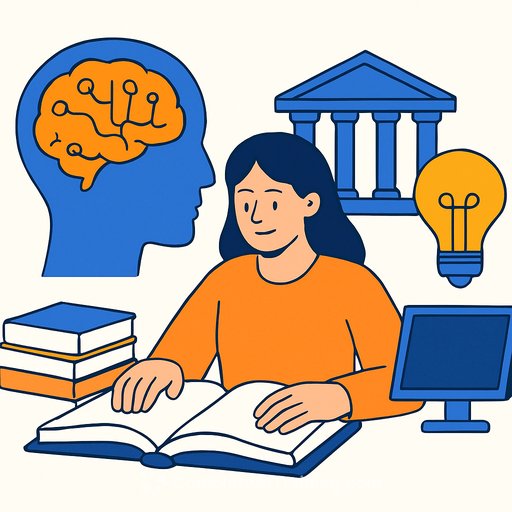
AI is great at speed and scale. It predicts, summarizes, and imitates. That's useful-but it's not judgment, ethics, or meaning. Liberal arts develops the pieces AI can't touch: critical thinking, communication, creativity, and context.
If you work in education, this is the opportunity-keep the core of the liberal arts and plug AI in as a tool, not a crutch. For classroom-centered examples and lesson-ready materials, see the AI Learning Path for Primary School Teachers.
What AI does well-and what humans own
- AI excels at: pattern recognition, drafting first passes, summarizing long texts, coding helpers, data cleanup.
- Humans own: defining the right problem, weighing trade-offs, original insight, persuasion, ethics, and relationships.
Practical shifts for schools and campuses
- Teach problem framing: Require students to write the question before the answer. Have them map assumptions and constraints, then use AI to test angles.
- Strengthen argumentation and rhetoric: Let AI generate counterarguments; students must refute them with evidence and audience-aware writing.
- Pair quantitative with context: Blend stats with history, policy, and lived experience. Numbers explain "what," students argue "why it matters."
- Build ethical reasoning: Case studies with AI's real risks-bias, privacy, misinformation-plus concrete mitigation plans.
- Cross-disciplinary projects: Philosophy x computer science. Literature x data. Teams produce a brief, artifact, and public presentation.
- Create with AI, then critique: Students use AI to draft. Assessment focuses on edits, structure, sources, and clarity of argument.
- Assess beyond recall: Oral defenses, stakeholder memos, annotated drafts that show thinking steps and tool choices.
- Center empathy and collaboration: Interview users, report insights, adjust solutions. Grade the process, not just the output.
- Make AI fluency explicit: Teach prompt strategy, verification, citation, and disclosure policies.
Assessment and credentials that signal value
Shift from timed tests to portfolios, live critiques, and scenario-based tasks. These reveal judgment, creativity, and communication-what employers can't automate.
Offer micro-credentials in "AI collaboration," "prompt strategy," or "AI for research." If you need a place to start, consider role-based options like the AI Learning Path for Research Associates or explore practical prompt courses: Prompt Engineering.
Faculty development that fits real schedules
- Shared prompt bank: Build a living document of prompts for feedback, rubrics, and lesson planning. Update as you learn.
- Transparent AI policy: Define what's allowed, what must be cited, and where human judgment is required.
- AI-assisted grading, human final say: Use tools for first-pass comments and rubric alignment; keep decisive feedback human.
- Active learning in class: Short debates, peer review, and problem clinics. AI prepares; class time refines.
Guardrails and ethics
Adopt clear standards on privacy, disclosure, and bias checks. Give students repeatable verification steps: second-source claims, run bias probes, document tool versions and settings.
For context on skills trends and responsible use, see the WEF Future of Jobs Report and UNESCO's guidance on AI in education here.
What employers actually want
They want people who can set direction, write clearly, speak with confidence, and make sound calls under uncertainty. Pair a liberal arts core with AI literacy and you stand out in any field.
Help students showcase this. Require a public portfolio with projects, reflections, and a clear AI usage log.
A simple 12-week module you can run next term
- Weeks 1-3: Problem framing, stakeholder mapping, and an AI capability map for the topic.
- Weeks 4-6: Research with AI support; students annotate outputs, verify sources, and produce a position brief.
- Weeks 7-9: Interviews, prototype or draft, peer critiques, iterate with a documented edit trail.
- Weeks 10-12: Public presentation, policy memo, oral defense, and a reflection on human decisions vs. AI contributions.
The bottom line
AI multiplies average work. Liberal arts makes work worth multiplying-taste, judgment, ethics, and narrative.
Keep teaching humans to think, question, and connect. Add AI fluency so their ideas ship faster and land stronger.
Your membership also unlocks: