Breaking Down the True Cost of AI Data Centers' Growth Across America
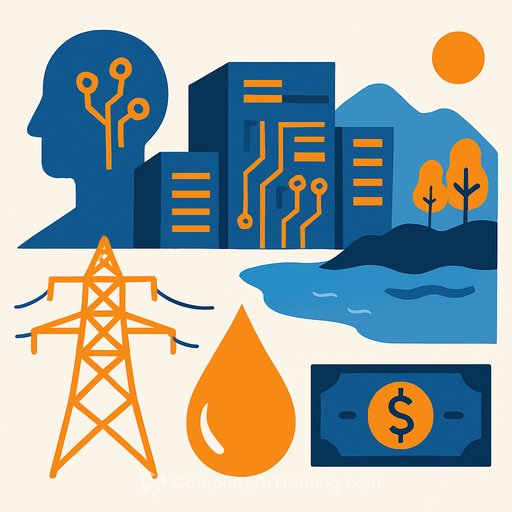
AI’s rise has sparked a surge in data center construction across the United States. These facilities power AI technologies but demand significant water, land, and electricity resources. A recent investigation tallied 1,240 data centers either built or approved nationwide—four times more than in 2010.
What Drives the Data Center Boom?
The growth reflects the soaring demand for AI computing power. Yet, this expansion raises questions about resource use and local impacts. Electricity and water consumption stand out as major concerns since both are limited. Still, many towns welcome data centers for the tax revenue they generate, which funds schools, roads, and emergency services.
Public opinion is mixed. Some communities resist new data centers due to environmental worries, while others offer tax incentives to attract them. The balance between economic benefits and resource strain is a constant challenge for local officials.
Benefits and Trade-offs for Local Communities
Beyond tax income, data centers create short-term construction jobs and a smaller number of longer-term tech positions. While AI promises savings for businesses and advances in science, the direct advantages for nearby property owners are often limited to these economic boosts.
National security experts also highlight AI’s strategic importance, seeing a strong AI industry as key to maintaining technological leadership. However, the pressure on local resources means communities need to weigh these broader benefits against immediate impacts.
Looking Ahead: Efficiency and Sustainability
Major tech companies recognize concerns about water and power use. Many are actively working to improve efficiency, aiming to reduce consumption and increase reliance on renewable energy. Tracking these efforts will be important to see if data centers can scale without overwhelming local resources.
Big Tech’s Shift in Talent and Innovation Focus
Leading AI companies like Meta and OpenAI are offering exceptional salaries to attract top technical talent. Meanwhile, many other tech workers face layoffs, reflecting a concentrated push into AI development at the expense of other innovation areas. This creates a mixed picture for the tech workforce.
The "Zillow Ban" and Changing Real Estate Listings
Zillow now blacklists home listings shared publicly by agents without posting them to local databases, targeting "exclusive inventory" practices. This move affects how buyers and sellers access listings and interact with agents. Consumers will need to stay informed about what listings they can trust and the fees involved.
Amazon’s New Focus on Culture in Reviews
Amazon is updating its manager performance reviews to include a three-tier ranking on how employees embody the company’s Leadership Principles. This marks the first time company culture formally factors into evaluations, emphasizing values alongside performance.
Hot Spots in the Hamptons
For finance professionals and locals, Montauk’s Surf Lodge remains the top summer destination. Other popular spots include trendy restaurants like Le Bilboquet and exclusive locations such as the Shinnecock golf club, highlighting the mix of scene and seclusion the area offers.
This Week’s Quote
"You are in a job interview for the whole internship." – Advice for Big Four summer interns from a KPMG managing partner, underscoring the importance of consistent performance.
More Top Reads
- How AI is reshaping banking: a new forecast
- Generative AI challenges for online businesses
- Popular AI certifications for automation professionals
- Leaked documents reveal how Meta trains chatbots to initiate conversations and remember interactions
Your membership also unlocks: