What Ancient Runners Teach Us About AI and Education
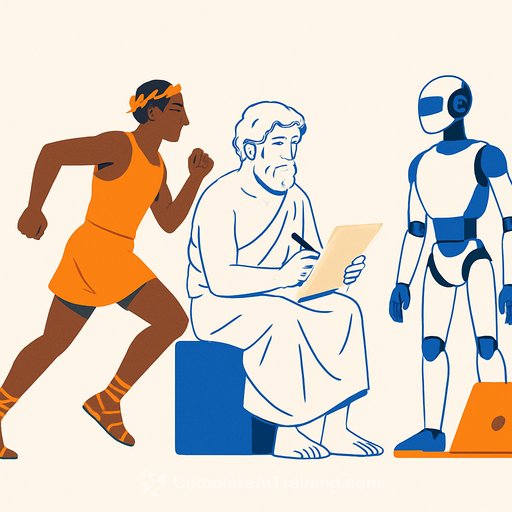
Technology changes society and the economy, reshaping which skills matter at work. Take marathon running as an example. In ancient Greece, “day-runners” like Pheidippides were essential—they delivered messages quickly across city-states in a time before engines, telegrams, or the internet. If you needed to send a message 26 miles, a runner was your go-to.
Today, the situation is very different. You’d text a friend or hire a taxi to transport documents rather than run a marathon. Yet marathon running is more popular than ever, with more people running events like the London Marathon annually than there were day-runners in history. And nobody runs to deliver messages anymore.
Most run marathons for personal growth, while a small number pursue economic rewards through competition and entertainment. This difference highlights a key debate about AI's role in education and society.
The Marathon Paradox and Education
The confusion around AI in education often comes down to how we view education’s purpose. Students might wonder why teachers ask them to do something laboriously—like writing an essay by hand—when AI can generate text quickly. Meanwhile, teachers may feel students want shortcuts and expect success without effort.
If education’s goal is personal development, teachers are right: you cannot outsource growth to AI or other tools. But if education is mainly about getting a job, embracing AI tools feels more reasonable.
Education for Personal Development
No matter how advanced AI gets at writing, there will always be value in developing writing skills personally—much like running remains valuable for health and personal challenge, even if it’s not essential for transport. People will likely continue to value the ability to read and write complex texts, independent of economic gain.
Writing offers benefits beyond communication. Often, we think writing is about transferring fully-formed thoughts to others. AI excels at polishing these clear ideas quickly, like drafting a well-written email or memo.
But writing also extends our working memory and helps us think. Many times, our thoughts aren’t fully formed until we write them down. Writing reveals gaps and flaws in reasoning that we might not notice otherwise. This process matters in academic work and everyday communication alike.
AI might be faster and more polished in producing text, but is it better at helping you figure out what you truly think? Cars are faster than running, but we still teach physical education. Similarly, even if AI surpasses human writing speed and quality, teaching writing remains important as a life skill.
Programs like The Writing Revolution emphasize this connection between writing and thinking. Their approach, echoed by resources like those from No More Marking, frames writing as a tool for developing thought from the start.
Education for the Job Market
Personal growth isn’t the only purpose of education. Preparing for employment is equally important. Advocates of AI argue that if AI tools dominate the workplace, classrooms should integrate them extensively.
But even focusing purely on job readiness, there are reasons to limit overreliance on generative AI in education. Deep understanding, problem-solving, and the ability to articulate your own ideas remain critical skills that may be undermined by depending too much on AI-generated content.
Balancing AI’s role in education means recognizing when it supports development and when it might short-circuit learning. This balance will shape how students gain skills that matter both personally and professionally.
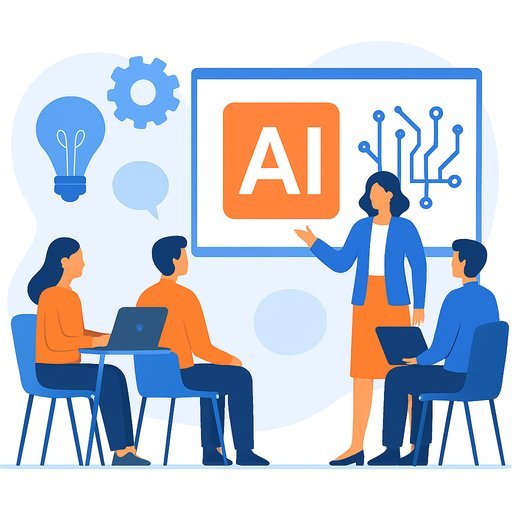
For those interested in exploring AI’s place in education and practical skills training, Complete AI Training offers a variety of up-to-date courses designed for educators and writers.
Your membership also unlocks: