Frictionless AI comes at a human cost: keep the work that builds minds, craft, and connection
AI makes hard things easy. That's the promise-and the trap. Researchers argue that the very thing AI removes-friction-is the raw material of learning, growth, and meaning.
For educators and writers, this isn't an abstract concern. If we let tools do the hard parts, we skip the struggle that forges skill, confidence, and voice. Ease can be useful. Overuse can hollow out the process that makes results matter.
Why friction matters for learning and writing
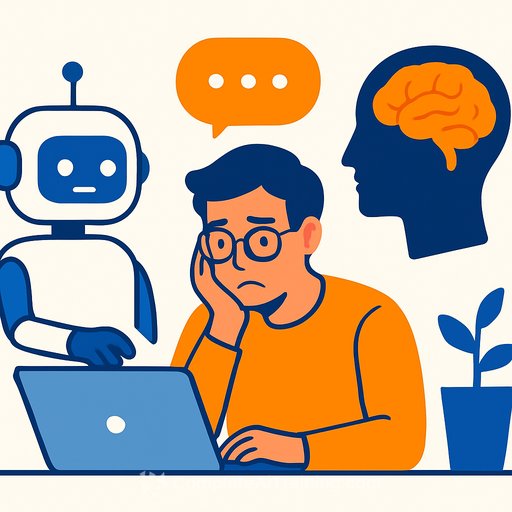
Effort changes the brain. Productive difficulty cements memory, deepens skill, and builds judgment. When a model drafts, edits, and polishes in seconds, we risk outsourcing the messy middle where real learning happens.
The research is clear on "desirable difficulties"-conditions that feel harder in the moment but produce stronger long-term gains. If you always smooth the path, you trade short-term speed for shallow retention and fragile skill. See: UCLA's overview on desirable difficulties.
Meaning also rides on effort. We care more about outcomes we've worked for. If AI removes the work, it can sap ownership. You get output, but less pride-and less growth.
For writers: let AI assist, not replace your reps
- Draft first, then compare to an AI pass. Keep your voice as the baseline. Use the model to surface gaps, not to set the tone.
- Force friction: write cold opens and conclusions yourself. These shape argument and clarity. Use AI for line edits and fact checks.
- Practice constraints: 300-word cap, one claim per paragraph, verbs over adjectives. Then ask AI to critique against your rules.
- Build a "process log." Capture your outline, dead ends, and revisions. The log is proof of thought-and a map for your next piece.
- Use AI as a coach: ask for counterarguments, edge cases, or audience objections. Don't let it be the ghostwriter.
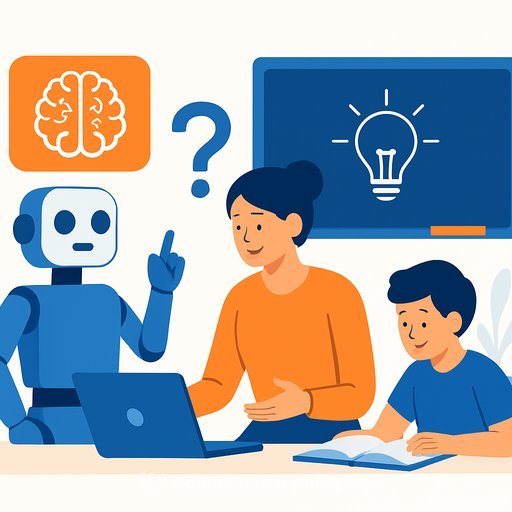
For educators: preserve the struggle that produces skill
- Sequence assignments in phases: no-AI discovery and outline, then optional AI critique, then human revision. Grade the process plus the product.
- Require "show your work" artifacts: notes, drafts, sources, prompts used, and how feedback changed the result.
- Assess thinking, not just polish: oral defenses, whiteboard sessions, or timed micro-writes on key steps.
- Set use-cases by level. Early learners need more raw practice. Advanced learners can use AI for acceleration-but must justify each assist.
- Design friction on purpose: retrieval practice, interleaving topics, and varied formats raise retention without busywork.
Social shortcuts change behavior
AI companions can ease loneliness. That relief can help in tough seasons. But loneliness also acts like a signal that pushes people to invest in human ties. If the signal is muted, effort to build real relationships may drop.
In education and writing communities, don't default to AI for emotional support or feedback. Make room for peer critique, workshops, and shared projects. The hard parts of real collaboration-misreads, pushback, repair-create trust and history you can't fake.
A practical friction framework
- Define the point: Is this about learning a skill, shipping a result, or both? More learning = more protected friction.
- Pick no-AI zones: discovery, outlining, key arguments, and synthesis. These steps wire core judgment.
- Allow AI in support roles: proofreading, formatting, idea expansion, counterpoints, study questions.
- Audit the process: keep drafts, prompts, and change logs. Make reflection part of the grade or deliverable.
- Review outcomes: if grades rise but independent work drops, add friction back where it counts.
Sample policies you can copy
Classroom policy
- Phase 1 (no AI): research notes, outline, thesis. Submit artifacts.
- Phase 2 (optional AI): request critique on clarity and structure; paste the feedback; note what you kept or rejected.
- Phase 3 (human revision): final draft plus a 150-word reflection on what changed your mind.
- Assessment split: 40% process, 40% final, 20% oral check or in-class write.
Writer workflow
- Brain dump 10 ideas by hand. Pick one and write a 200-word "point first" draft.
- Ask AI for three objections and two missing sources. Address them yourself.
- Use AI for line edits with rules: cut fluff, shorten sentences, keep verbs strong. Approve edits manually.
- Publish with a one-paragraph "what I learned writing this" note for your own archive.
Bottom line
AI can save time, expand access, and reduce busywork. Keep using it. Just protect the struggle that teaches, the solitude that nudges you to connect, and the effort that makes outcomes feel earned.
Set clear rules. Grade the process. Let AI coach, not carry. That's how we keep the benefits without sanding off the experiences that make us better at our craft.
Further reading for practical integration
AI for Education | AI for Writers
Your membership also unlocks: