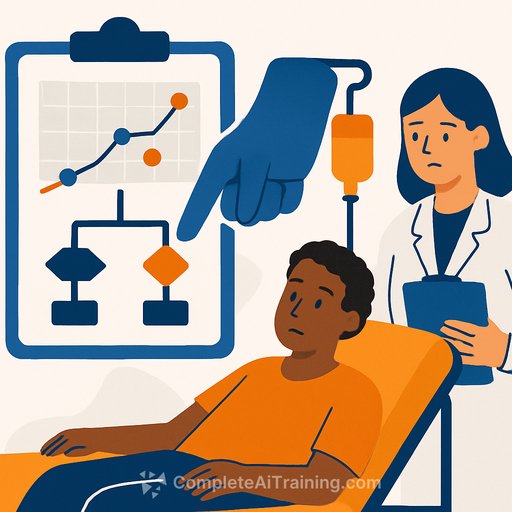
Algorithms Are Deciding Who Gets Health Care. Patients Are Paying the Price.
Artificial intelligence is increasingly shaping decisions in health care, including who receives coverage and treatment. While AI promises efficiency, relying on algorithms to determine patient access to health care raises serious concerns. Patients are the ones facing the consequences when these systems fail or make biased choices.
The Problem with AI in Health Coverage
Health companies use AI algorithms to analyze vast amounts of data and predict patient needs or risks. However, these algorithms often reflect the biases in their training data, which can lead to unfair denial of coverage or inadequate care recommendations. The stakes are high—decisions made by AI can affect a patient's ability to get necessary treatments.
Moreover, the logic behind many AI systems lacks transparency. Patients and providers may not understand why certain decisions are made, making it difficult to challenge or correct errors. This opacity undermines trust in health care institutions and risks exacerbating disparities.
Why Regulation Is Necessary
Government intervention is critical to ensure AI tools in health care are used responsibly. Regulations should require:
- Clear standards for data quality and bias mitigation
- Transparency in how algorithms make decisions
- Oversight mechanisms for auditing AI systems regularly
- Patient rights to appeal decisions influenced by AI
Without proper rules, health companies may prioritize cost savings or efficiency over patient well-being. Regulatory frameworks can promote fairness and accountability, protecting vulnerable populations from harmful automated decisions.
Protecting Patients in the Age of AI
Health care professionals and insurers must stay informed about AI’s capabilities and limitations. Combining human judgment with AI insights, rather than fully automating decisions, can improve outcomes. Patients deserve clarity and fairness—not opaque algorithms determining their access to care.
For those in healthcare and insurance, understanding how AI impacts coverage decisions is essential. Training in AI ethics and regulation can help professionals navigate these challenges effectively. Comprehensive AI education resources are available for those interested in expanding their knowledge and skills in this area.
Learn more about AI courses and certifications tailored for healthcare and insurance professionals at Complete AI Training.
Your membership also unlocks: