Darrow AI's Update: Human Judgment First, Tech Where It Counts
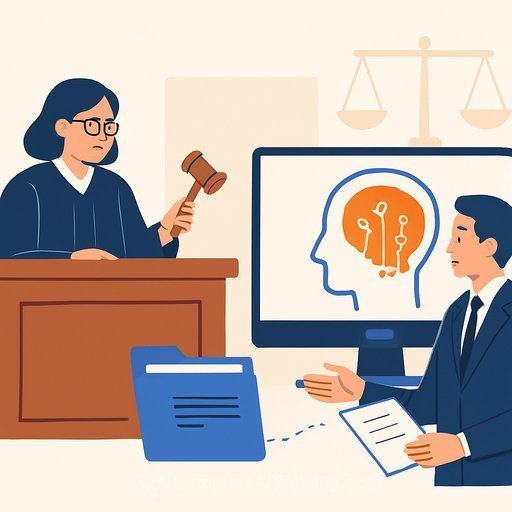
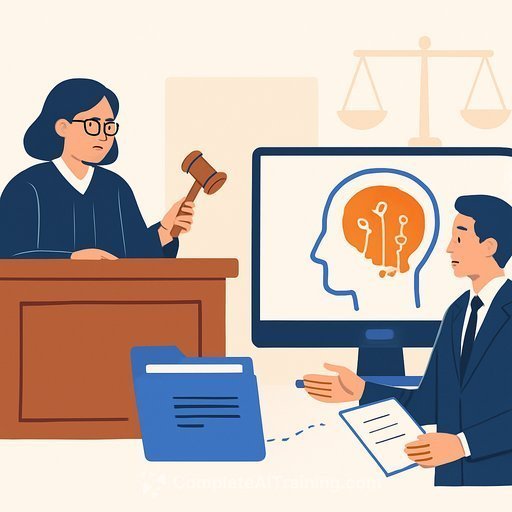
Darrow AI shared an update highlighting an Artificial Lawyer piece on what they've learned working with plaintiff firms at the earliest stage of litigation. The message is simple and overdue: keep professional judgment at the center, build product features that surface dissent, and draw a hard line between what software should automate and what lawyers must decide.
For legal teams, this points to a more grounded approach to AI in litigation. For investors, it signals a focus on practical adoption inside firms and a path to better product-market fit.
Why this matters for litigators
- Professional judgment over rigid workflows: Checklists help, but they can't replace instincts formed by depositions, courtrooms, and messy fact patterns. Tools should support decision-making, not dictate it.
- Design for dissent: Make it easy to challenge the initial theory of the case. Friction here reduces blind spots later.
- Clear boundaries for tech: Automate repeatable tasks (intake normalization, document clustering, deadline tracking). Keep strategy, risk calls, and client counseling in human hands.
How to put this to work in your firm
- Case intake with a hypothesis: Start every new matter with a lawyer-written hypothesis and key unknowns. Use AI to surface facts that support or weaken it.
- Structured dissent step: Assign a "red team" reviewer for early case assessment. Require at least one counter-argument or alternative cause of action before greenlighting.
- Define automation limits: Create a one-page policy: what AI can do (summaries, timeline building, entity extraction) and what it cannot (settlement posture, damages theory, privilege calls).
- Decision logs: Record why you accepted or declined a case, what risks you noted, and who signed off. This builds institutional judgment and helps train new attorneys.
- Feedback loops: After milestones (motion rulings, mediation), capture what the tool got right or wrong and adjust prompts, templates, or workflows.
Ethics and risk guardrails
Ground your workflow in the duty of competence, including tech competence. The ABA has clear guidance on this; a good starting point is its technology competence resources on americanbar.org.
- Keep client data scoped and encrypted; confirm vendor data-handling and deletion policies.
- Require human review for any AI-generated analysis touching privilege, settlement, or case strategy.
- Audit sample outputs monthly for hallucinations, bias, and missed signals; document corrections.
Investor read
This update points to a product built for real firm behavior, not demo-day polish. Prioritizing human judgment and structured dissent tackles the biggest adoption barrier: trust.
- Differentiation: Workflow fit and guardrails can matter more than features in a crowded legal-tech market.
- Unit economics: Clear boundaries between automation and expertise improve time-to-value, retention, and cross-sell potential.
- Signals to watch: Depth of integrations with plaintiff-side tools, documented impact on case selection accuracy, and renewal rates tied to workflow usage.
What this signals for plaintiff practices
Expect deeper integration with intake, early case assessment, and sourcing. If done right, that means better screening, cleaner timelines, and fewer late-stage surprises-without sacrificing the judgment calls that win cases.
Practical checklist to trial next quarter
- Define a 5-step intake flow with an explicit dissent checkpoint.
- Create red/amber/green risk tags for early assessments and track shifts over time.
- Limit AI use to document organization, summarization, and pattern surfacing in the first phase.
- Run a 60-day pilot on five matters; compare accuracy, speed, and staff time to your current process.
- Roll lessons into a short playbook and retrain the team.
Further resources
- Source reference: Artificial Lawyer
- Upskill your team on AI oversight and prompts by job role: Complete AI Training
Your membership also unlocks: