White House Releases AI Policy Framework for Congress
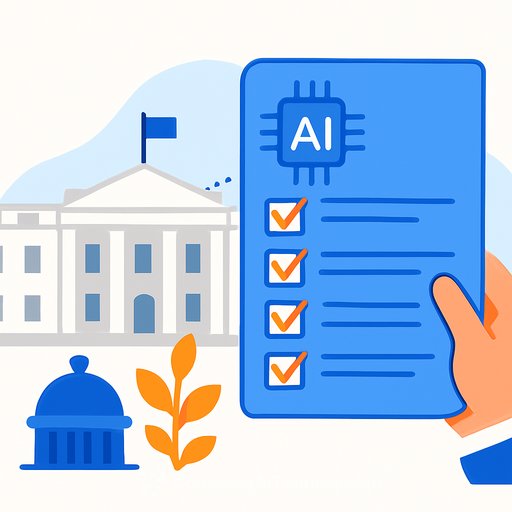
The White House on Friday published a six-point policy framework intended to guide congressional efforts on artificial intelligence regulation. The blueprint addresses child safety, intellectual property protection, free speech, innovation, workforce development, and community safeguards.
The administration framed the guidelines as necessary for maintaining U.S. competitiveness in AI while ensuring public trust. "Strong federal leadership" is needed so Americans understand how the technology operates in their daily lives, the White House said.
What the Framework Covers
The six guiding principles are:
- Protecting children and empowering parents
- Safeguarding and strengthening American communities
- Respecting intellectual property rights and preventing censorship
- Protecting free speech
- Enabling innovation and ensuring American AI dominance
- Educating Americans and developing an AI-ready workforce
Context: State Regulation Blocked
The framework arrives after President Trump signed an executive order in December blocking states from creating their own AI regulations. The administration argued that inconsistent state rules would hinder industry growth.
The move reflects a tension in Washington over AI oversight. Members of Congress from both parties, along with civil liberties and consumer rights groups, have called for stronger regulations, citing insufficient oversight of the technology's power.
For strategy and operations leaders, understanding this federal approach matters: it signals the administration's intent to set a uniform national standard rather than navigate a patchwork of state requirements. Organizations should monitor how these principles translate into specific legislation that could affect compliance and operations.
AI for Government professionals and AI for Executives & Strategy leaders should track congressional developments closely as these principles move through the legislative process.
Your membership also unlocks: