Calgary Public Library's AI Artist Residency Sparks a Candid Debate Among Creatives
The Calgary Public Library has launched a "Creative Artist in Residence - AI Collaborative Artist" program, inviting one local artist to test how artificial intelligence fits inside a creative practice. The goal: host a public, hands-on exploration of technology's impact on art, authorship, and ethics. "As AI becomes more prevalent in our community, there is a public need to help Calgarians make sense of the opportunities and challenges it presents," the library said. The library added that it remains committed to supporting creativity, intellectual freedom, and shared learning.
What This Residency Is - And Isn't
The call is open to artists in any discipline. The focus is on responsible and ethical use of AI, not replacing artists. Think inquiry, workshops, and community dialogue - not hype. The residency asks a simple question: how can artists experiment with AI without compromising their values or their voice?
Artists Push Back on AI Making the Art
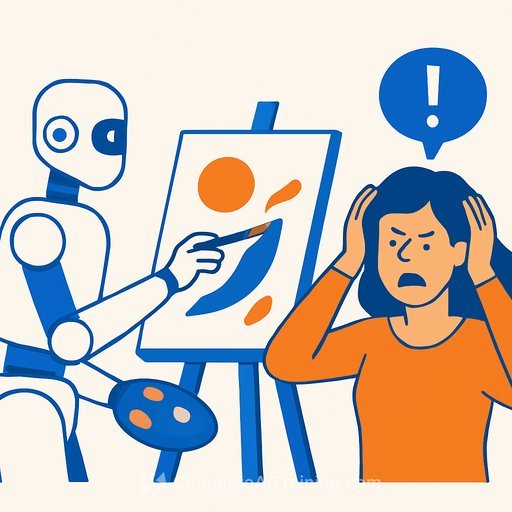
For Calgary artist Moses Aquino (Moey Blanco), the program surfaced a line he won't cross. "My first thought was wondering about the extent of what it means to be an AI artist," he said. He's fine using AI for admin - logistics, emails - but not for creating the actual work. "Creativity-wise, I feel like it doesn't really have a place in actually creating artwork."
That conviction runs deeper than workflow. "This isn't just a job for a lot of people," Aquino said. "It's a big part of artists' identity." When the work is personal, questions about process become questions about self.
Ethics, Jobs, and the Hidden Cost of Compute
Other artists aren't rejecting AI outright but are approaching it carefully. Uchechukwu Peter Umezurike, an assistant professor in the Department of English at the University of Calgary, said he has avoided using AI in his creative work while weighing broader implications. He still leans on traditional collaboration with poets and editors - and worries that AI tools could displace skilled creative workers, especially in editing.
He also raised environmental concerns. AI's data centres demand heavy electricity and water for cooling, and global energy use from these facilities is projected to more than double by 2030, according to the International Energy Agency. For context, see the IEA's overview of data centre energy use: International Energy Agency.
Who's the Artist If AI Is in the Room?
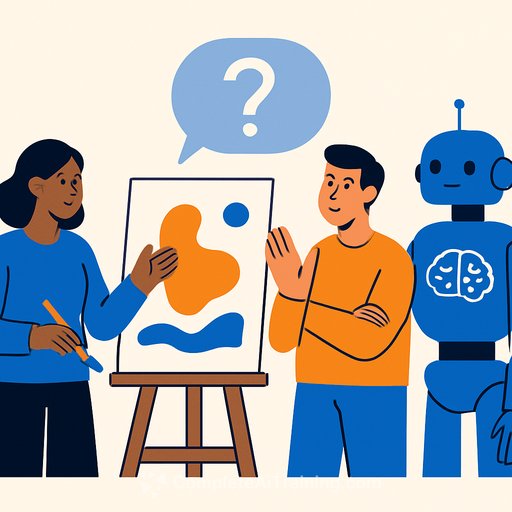
Authorship and ownership remain open questions. "If one uses AI to produce a poem or a short story, who is actually the creator?" Umezurike asked. Credit, consent, and training data add more friction - and more responsibility. Those choices affect peers, publishers, and audiences.
Community Dialogue Continues
These questions will be front and center at ArtistSpeak - A.I., a discussion and activity-based event gathering artists and community members to reflect on AI as a creative and cultural tool. Expect conversation on authorship, labour, and how artists relate to technology in their day-to-day practice. "I'm struggling with these questions myself," Umezurike said. "And I hope people will also struggle with them and think more closely and compassionately about how we engage with AI in an ethical way."
Practical Ways to Experiment with AI Without Losing Your Voice
- Draw your boundary: admin support vs. creative generation. Write it down. Share it with collaborators and clients.
- Credit clearly: disclose if AI touched concepting, drafting, editing, or production - and how.
- Protect people: avoid tools trained on unconsented datasets; review vendors' data and copyright policies.
- Keep a human edit: even if AI drafts, final choices are yours. Stand behind every line, brushstroke, and beat.
- Separate workflows: keep "thinking" (mood boards, references) distinct from "making" (final images, text, audio).
- Mind the footprint: batch tasks, use smaller models where possible, and reduce unnecessary iterations.
- Preserve craft: use AI to speed admin and research so you can spend more time on technique and voice.
- Join the conversation: attend local events, host studio critiques, and document your process for community learning.
Further Reading for Creative Pros
- AI for Creatives - tools, workflows, and ethical guidance made for artists weighing process, authorship, and practice.
Bottom line: the residency isn't telling artists what to do - it's creating space to test, question, and set standards together. If you're experimenting, do it with intention. Keep your name on the work, your values in the process, and your community in the loop.
Your membership also unlocks: