Resist AI Automation, Demand Control Over Your Creative Work
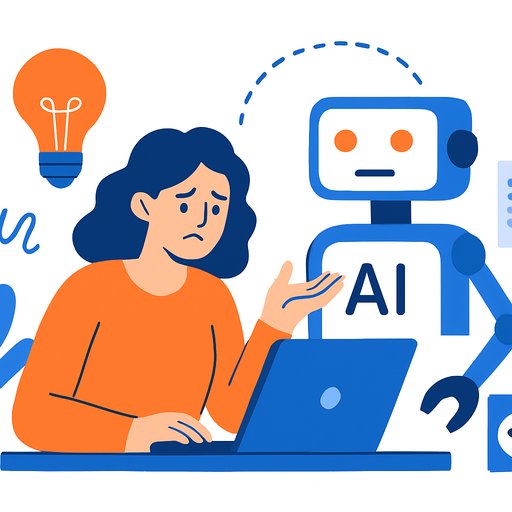
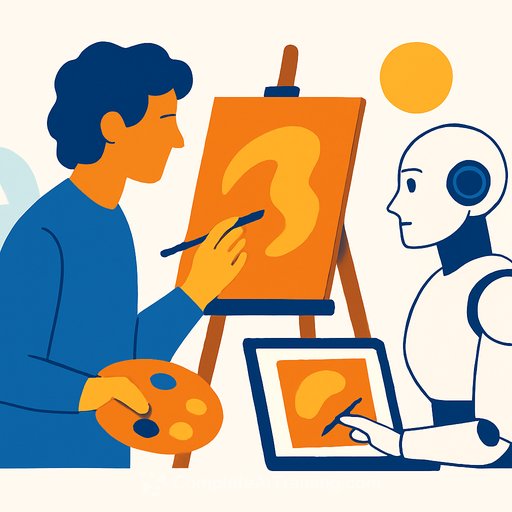
A recent Stanford study surveyed 1,500 U.S. workers, including writers, designers, and artists, about AI’s role in their jobs. The results were clear: creative professionals are hesitant to let AI take over their core tasks. Less than 20% of tasks in arts, design, and media are seen as fit for automation. While many creatives welcome AI for repetitive tasks, they want to keep full authorship and control over their work.
Creative work is often undervalued, and AI tools have only made things murkier. Many artists see their work remixed by AI, printed on merchandise, and sold without credit or permission. This raises serious questions about who owns what and how creators should be compensated when AI generates content based on their work.
How AI Impacts Creative Labor
Generative AI is already drafting emails, composing music, designing logos, and writing scripts. For many creatives, this feels less like partnership and more like exploitation. AI models are often trained on artists’ voices, styles, and archives without consent. This has sparked legal battles, such as when artists Sarah Andersen, Kelly McKernan, and Karla Ortiz sued Stability AI and Midjourney for using their work without permission. Getty Images also filed suit after its watermarked photos appeared in AI outputs.
These cases highlight a system that mimics human creativity while distancing itself from the original creators. The core issue is the lack of control and recognition for the very people who fuel AI’s capabilities.
Decentralized AI (DeAI) as a Solution
Decentralized AI offers an alternative by embedding rights and attribution into AI systems directly. It depends on clear legal frameworks, wide adoption, and strong governance. DeAI allows creators to upload their data, set usage terms, and bind those terms to smart contracts. These contracts automatically control who can access the data and under what conditions, ensuring creators retain control over their contributions.
For example, the startup MyShell used the Sahara platform to gather tens of thousands of voice clips from contributors worldwide. Instead of scraping public content or hiring expensive studios, they crowdsourced samples and tracked, attributed, and compensated contributors using blockchain records. This saved time and cost while maintaining quality. It shows how DeAI can create fair exchanges at the data level.
Imagine a photographer uploading a portrait with clear rules: free to view on social media, $5 to use in a blog post, and banned from AI training without a separate agreement. Ethical developers could license it instantly, while unauthorized users would be blocked automatically. This flips the script, making artists licensors rather than victims.
Why This Matters Now
Every technological shift forces us to rethink ownership. DeAI is the next step by turning rights into programmable code and enforcing ethical standards at scale. No system is perfect—DeAI could be exploited by big studios or suffer smart contract bugs. But it offers a path for creators to shape the tools that govern their work.
Millions of creatives are trying to build sustainable careers. For Gen Z and younger millennials, owning a stake in their creations matters more than ever, especially with student debt and unstable job markets. If we don’t rebuild the infrastructure of authorship now, we risk locking in a system that defaults to exploitation.
The choice is clear: a system with transparent, fixable flaws or one that hides its problems behind opaque walls. This requires more than good intentions. Creators and their guilds need to standardize digital identity and asset registration. Developers should focus on open, interoperable platforms rather than closed ones. Policymakers must grant legal protections to artists who register their work on-chain, giving such registries the same weight as traditional copyright offices.
Creative labor deserves protection. Participation should be rewarded. Exploitation must be stopped.
- Keep control: Demand clear rights and authorship over your work.
- Support DeAI: Advocate for systems that embed attribution and compensation.
- Push for standards: Help establish digital identity and asset registries.
- Choose openness: Favor platforms that allow transparency and interoperability.
- Engage policymakers: Call for legal frameworks that protect creative ownership in AI contexts.
For creatives looking to better understand AI tools and how to navigate this changing landscape, resources like Complete AI Training offer practical courses designed to help you stay informed and maintain control over your work.
Your membership also unlocks: