Do We Need Government Oversight for AI’s Use of Data?
Artificial Intelligence is poised to become the defining technological shift of our time, surpassing earlier innovations that transformed industries reliant on physical labor. Unlike past changes, AI impacts areas once thought uniquely human—intellectual and creative work.
AI’s Hunger for Data
Modern AI systems learn by processing enormous amounts of human-created content. These models, trained on billions of examples, started with publicly available data but have expanded to include copyrighted works, paywalled articles, and private repositories. This raises serious concerns for creators who depend on compensation for their work. Their efforts are being used to teach AI systems that might eventually replace them, often without payment or permission.
Currently, most legal systems do not have clear rules on how companies can use publicly available data for AI training. This regulatory gap has allowed AI developers to build massive platforms on content they neither created nor licensed.
Emerging Regulatory Approaches
Governments worldwide are exploring several ways to address these challenges:
- Opt-in or Opt-out Models
These systems would allow creators to choose whether their content is used for AI training. While opt-out models may be easier to implement, they risk legal uncertainties for businesses. Opt-in systems provide clearer boundaries but could slow down access to data. - Data Rights and Compensation Models
Mirroring how music and literary rights operate, creators could be compensated when their work trains AI. Options include:- Collective licensing: Creators register with collecting societies that negotiate with AI firms and distribute payments, similar to performing rights organisations like PRS (UK) or ASCAP (USA).
- Data dividends: A tax on AI companies based on usage, with proceeds going to creators, akin to public lending rights systems in countries like the UK and Australia.
- Direct licensing: Individual negotiations between major content producers and AI companies, with standard terms for smaller creators.
- AI as a Public Resource
Some experts suggest treating advanced AI like utilities or natural monopolies. This would mean:- Private companies continue developing AI but with stronger regulatory oversight.
- Mandatory transparency through audits and public reporting.
- Universal access to benefits.
- Price controls or licensing to prevent monopolies.
Transparency and Technical Safeguards
Any regulation must ensure AI systems are not black boxes. We need clear information on how algorithms are trained and on what data. This transparency is essential to guarantee fair compensation for creators and to avoid systemic biases.
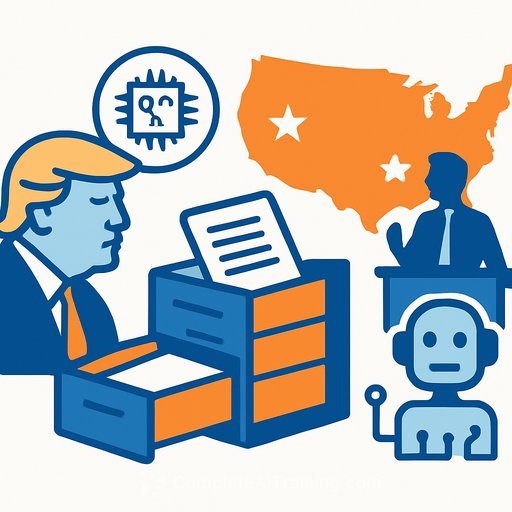
The publishing sector offers a useful model. Systems like copyright registration and ISBN standards enable tracking and attribution. Similar frameworks could be developed for AI training data, creating accountability and infrastructure for fair payment.
Conclusion
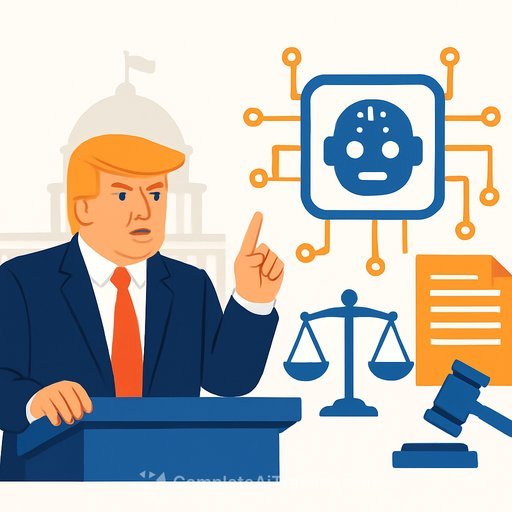
The absence of clear regulations around AI’s use of data cannot continue. Whether through government action, industry standards, or legal rulings, frameworks must be established to manage AI’s relationship with human creativity. Sustainable business models that respect creators stand a better chance of long-term success than those relying on unchecked data harvesting.
For policymakers and government professionals, understanding these emerging models is crucial. Establishing clear, fair, and enforceable rules will protect creative industries while allowing AI innovation to progress responsibly.
Your membership also unlocks: