Why the AI caricature trend makes so many creatives uncomfortable
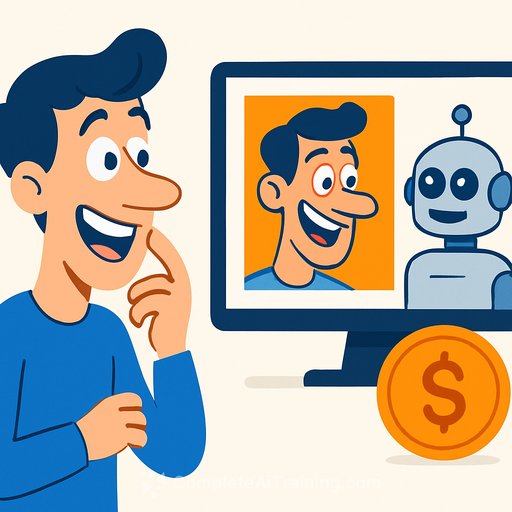
The AI caricature boom went from novelty to default setting fast. Avatars, profile pics, stylised portraits - all spun up in seconds. It feels harmless, even playful. Then the afterthought hits: the system learned from human work, often without consent.
That's the discomfort many feel. You upload a photo, press a button, and never see the trade happening behind the screen. Art styles, techniques, faces, and proportions don't come from nowhere. They're scraped, sorted, and remixed - and most people have no idea whose work is in the mix.
The invisible process problem
AI image tools thrive on opacity. You see outputs, not the source. There's rarely a clear record of what went into the model or whether living artists meaningfully opted in. That gap makes "just for fun" feel like a quiet erosion of author credit and value.
For working illustrators, concept artists, character designers, and visual storytellers, the worry isn't whether the images look good. It's whether clients decide "good enough" plus "cheap" beats hiring skill and style built over years.
We've already crossed the line
In a recent poll, 28% said they're actively using AI creatively, 18% are curious but cautious, 15% use it for personal projects, and 40% aren't interested. Stack that up and you get the reality: AI is now part of everyday creative life. Whether we like it or not, use is widespread.
That should raise the bar on responsibility, not lower it. Normalising shortcuts at scale rewires expectations - for speed, price, and what "original" even means.
Privacy and fraud risks aren't theoretical
As Tomas Stamulis, Surfshark Chief Security Officer, puts it: "I see a creepy trend where people tend to use AI as if there can't be any negative consequences later. It is unbelievable that some people get excited about AI knowing the smallest details about them, their activities, and their personal lives. Also, when sharing those viral posts online, users leave hashtags, which makes it even easier for scammers to find them. I really hope this recent trend will wake people up. If a fraud or scam occurs, all the details we see in a shiny caricature can be used to commit crimes."
Most users don't know where training data comes from or how closely outputs echo a living artist's style. That opacity fuels the unease. On Facebook, Judit Molnár summed it up in two words: "Data farming."
What creatives can do right now
- Pick tools with clear training data and licenses. Some vendors publish what their models were trained on and offer commercial-safe outputs. For example, Adobe says Firefly is trained on Adobe Stock, openly licensed, and public domain content. Verify the claims before you commit. See Adobe's Firefly overview.
- Set boundaries in client work. Add clauses that require disclosure of any AI use in concepting or production. Define what "original" means, limit style mimicry, and price for risk and revisions.
- Protect your portfolio. Post lower-res images, crop details, and add content credentials/metadata where possible. Watermarks can be stripped, but friction still helps.
- Be intentional with your own prompts. Don't feed selfies, location clues, or sensitive details you wouldn't share publicly. Blur backgrounds and remove EXIF data before uploads.
- Use AI where it lifts your process, not your identity. Mood boards, rough comps, lighting tests, and alt directions are fair game. Your taste, judgment, and iteration still win the final mile.
- Credit living artists and avoid direct style cloning. If a brief pressures you to "make it look like X," push for references by qualities (mood, palette, pacing) instead of someone's signature hand.
- Document your value. Capture process steps, thinking, and rationale in case you need to explain pricing or defend originality. Clients respect what they can see.
- Educate your audience. Share simple explanations: what's trained, what's consented, what isn't. People don't resist guardrails when they understand the stakes.
For structured upskilling
If you want practical training that helps you use AI without giving away your edge, explore these role-based picks: AI courses by job. For creatives focused on craft and tooling, check the Design resources for workshops and guides tailored to designers.
The real question
This isn't about banning tools. It's about authorship, value, and fairness in a field built on human taste and time. Use the tech, but don't hand it the keys to your identity.
The caricature trend is a mirror: we're excited, conflicted, and deeper in than we want to admit. The next move is ours - choose tools wisely, protect your work, and keep your standards high.
Your membership also unlocks: