The Impact of AI on Writing Education
AI has dramatically changed education in recent years. While some administrators see it as the future of learning, many faculty members face challenges like widespread cheating enabled by AI chatbots. This shift feels especially threatening in writing education, where students often struggle and may find AI tools tempting. Yet, rather than making writing skills obsolete, AI invites a deeper conversation about why we write and what technology can truly offer.
The sudden prominence of ChatGPT in late 2022 was striking. It appeared everywhere—in news, academic discussions, and student work. Students who once submitted awkward essays soon produced polished but generic papers, revealing AI’s growing influence on writing.
You Can't Stop Students from Using AI
Shortly after chatbots gained popularity, tools like GPTZero emerged to detect AI-generated writing. These detectors promised accuracy but proved unreliable. Different tools often disagreed on whether a text was AI-written, making accusations difficult to support. Additionally, concerns about privacy arise when student work is submitted to third-party detectors.
While some educators respond by policing AI use, others encourage it, creating mixed messages for students. This divided stance complicates how institutions handle AI’s role in writing.
A Collaborative Approach to AI Literacy
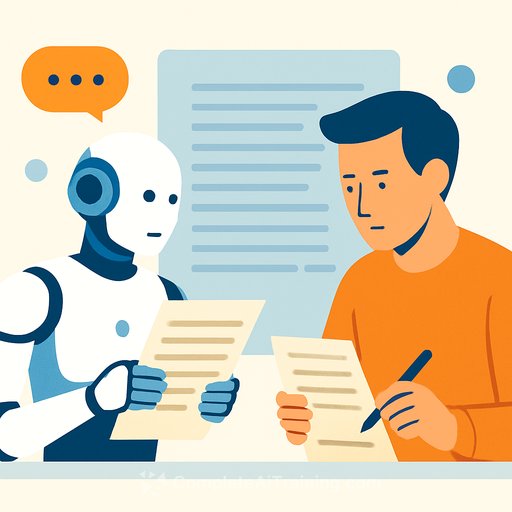
Instead of imposing strict rules, some writing instructors invite students to define AI’s place in their work. Early in the semester, they might collaborate to create an AI policy. Common agreements include allowing AI for brainstorming but not for generating full essays, with a requirement to disclose AI use.
This approach shifts the focus from punishment to understanding. In one example, a student used AI only to reorder ideas, improving clarity without sacrificing original thought. This transparency helps educators guide students on effective and ethical AI use.
What’s Human About Writing?
Discussing AI in writing often sparks meaningful conversations about the purpose of writing itself. Writing is more than putting words on a page—it’s about sharing experiences, shifting perspectives, and building empathy. Students recognize that human consciousness behind words is essential for genuine connection.
When asked how they’d feel if a moving poem was revealed to be AI-generated, most students say they’d feel cheated. The emotional response comes from relating to the human experience behind the writing. Without a writer, empathy fades.
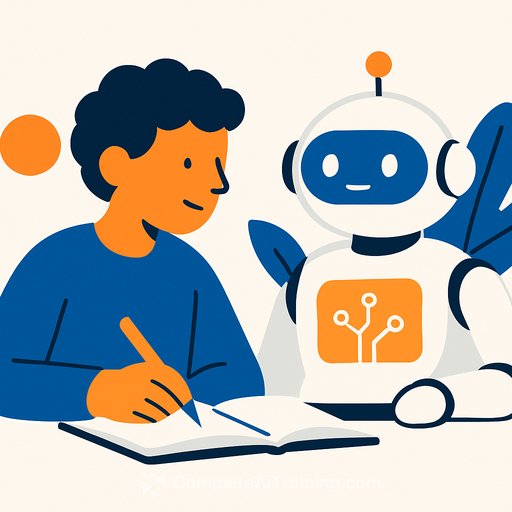
Writing also reveals unique human connections and thought patterns. Teachers get to know students through their ideas and voice. AI can produce text but doesn’t think or surprise in the same way. Teaching students to think critically and express themselves remains crucial.
For writers eager to explore AI tools responsibly, learning more about how AI intersects with writing skills can be valuable. Resources like the ChatGPT courses at Complete AI Training offer practical insights on incorporating AI thoughtfully without losing the human touch.
Your membership also unlocks: