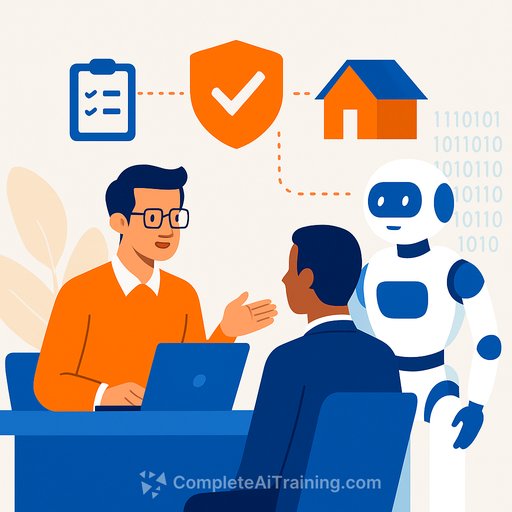
AI-Driven Automation Is Closing the Gap – But Brokers Still Hold the Line
Why Human Touch Still Defines Broker Value, Even as Automation Advances
Technology is transforming insurance brokerage, and this change is happening now. Kevin Lea, director of digital product distribution at Axis Insurance, highlights two main areas where AI is making its mark.
The first involves AI bots that automate repetitive tasks like data entry, filling brokerage management systems (BMS), extracting data from carrier portals, and managing accounting reconciliations. These were once manual, time-consuming jobs now handled faster and without fatigue by machines.
The second area includes general AI tools such as ChatGPT, AI note takers, and document review platforms. These tools integrate into daily workflows, helping summarize meetings and draft client communications. Together, these industry-specific and general AI tools are reshaping how brokerages operate.
Integration Remains the Real Barrier
Despite enthusiasm, digital adoption faces challenges—mainly legacy systems and fragmented infrastructure. Legacy technology limits what can be done, and vendors are working on upgrades, some incorporating AI. However, the biggest issue lies in poor connectivity.
This includes weak integration between brokers and carriers and between CRM platforms and BMS systems. Without open APIs and seamless connections, even the most powerful tools can’t reach their full potential.
Still, waiting for perfect conditions isn’t necessary. Even isolated automation can relieve brokers of back-office tasks, allowing them to concentrate on higher-value client work.
AI for Speed – Brokers for Trust
Automation is making quoting and policy amendments faster, especially in personal, travel, and small commercial insurance lines. These areas tend to have formulaic processes and are more open to disruption.
Yet, the human element remains essential. Most clients want to know a real person is involved. While they accept AI gathering information behind the scenes, they rely on brokers for trust and final judgment. This insistence on human connection ensures brokers retain their critical role.
The emerging hybrid model pairs automation for efficiency with human expertise where it matters most.
Misalignment Between Tech and Broker Workflows
For automation to succeed, technology must fit how brokers actually work. Many current tools don’t meet this need. Without alignment, even advanced solutions risk being underused or rejected.
Friction arises from integration gaps and tools that don’t match the pace or patterns of a broker’s day. Practical design is key. Even without perfect integration, brokers can improve workflows by offloading back-office tasks to technology.
Reinforcing the Role of the Trusted Advisor
As AI grows more capable, it highlights the value of brokers as trusted advisors. Bots can speed up transactions but lack context and insight.
AI can generate errors and doesn’t truly grasp a client’s home or business. Brokers fill that gap with judgment and understanding that machines can’t replicate.
Used strategically, automation empowers brokers by handling routine tasks, freeing them to focus on meaningful client interactions. This shift is less about replacing people and more about enhancing what brokers do best.
Your membership also unlocks: