The Value of Creativity in the Age of AI
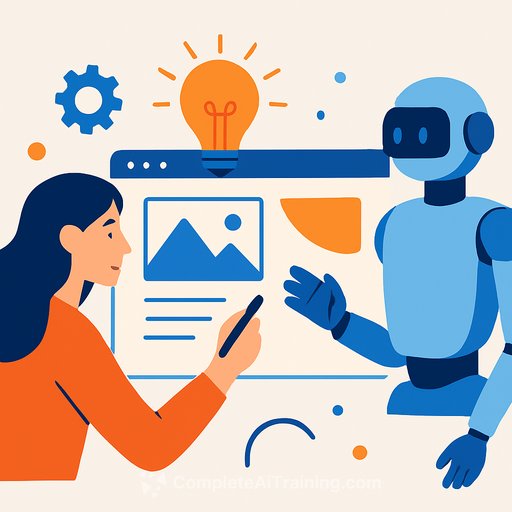
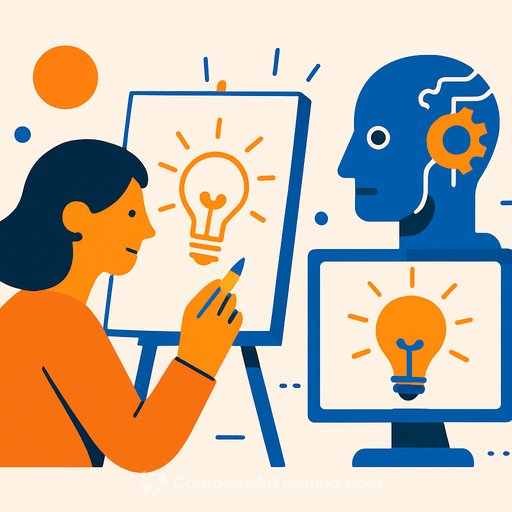
As AI tools get better, creatives everywhere are asking: What kind of creativity truly matters? Is it the core idea, the hands-on process, the flawless finish, or the unique imperfections? This question is natural—art keeps changing.
For example, a creative duo combined photography with set design to create colorful, surreal images. They shared a behind-the-scenes clip from a past photoshoot, expecting just a casual peek into their work. Instead, it sparked a heated debate about whether building physical sets by hand still makes sense in 2025.
This wasn’t a new project; it was from late 2023, and the final photos and process videos had already been well received. But with AI tools like Midjourney, Firefly, and Photoshop’s Generative Fill now dominating creative chats, the same post got a very different reaction. People weren’t just admiring the final image—they started questioning the entire method behind it.
- "Why build something real when you can generate it digitally?"
- "This seems like a waste of time."
- "Looks cool, but AI could do it faster."
- "You should have done it in post."
This shift reveals a lot about our current creative mindset. Making something physical is starting to seem outdated to some. AI pushes us to value speed, efficiency, and perfection. But what happens if those become the only standards for creativity?
Why the Process Matters
There are countless ways to create a single image. Digital tools are valid, and AI can be exciting. But the method shapes the outcome. For some artists, building physical environments and inviting interaction is essential. It’s not just a preference—it’s part of the story the work tells.
When someone steps onto a real set, their posture changes. Their expressions shift. Light interacts with real textures in ways digital tools can’t fully replicate. These subtle details add emotional depth. The physical space impacts not only how the photo looks but also how it feels.
This isn’t about rejecting AI. Many creatives use digital tools and experiment with AI themselves. The key is recognizing that creativity doesn’t have a single right path. Just like painting a scene with watercolor versus oil changes the result, the creative process shapes the final work uniquely.
What Are We Losing?
What does it say about creative culture if we dismiss hands-on work because it takes longer or is messier? Are we settling for "good enough" and "fast" as the new norms?
The backlash to the behind-the-scenes post wasn’t about the art itself—it was about the effort involved. That’s a valuable conversation to have. It challenges us to think about what we truly value in creative work.
Critique the final image if you want, but don’t overlook the process behind it. It’s not about one method being better, but about being different. Different processes spark fresh ideas. Creativity is deeper than just the end product. The journey of making is part of the art.
AI is a tool—not the only one, and it shouldn’t be. Every method has value.
Keep Creating Your Way
Wherever your creativity leads you—digital, physical, or a blend—don’t let online opinions push you away from what feels meaningful. The world needs more bold ideas, not fewer.
In the end, it’s not just about how fast you create. It’s about what you choose to express through your work.
Your membership also unlocks: