The Ethical Case for Imperfection in the Age of AI
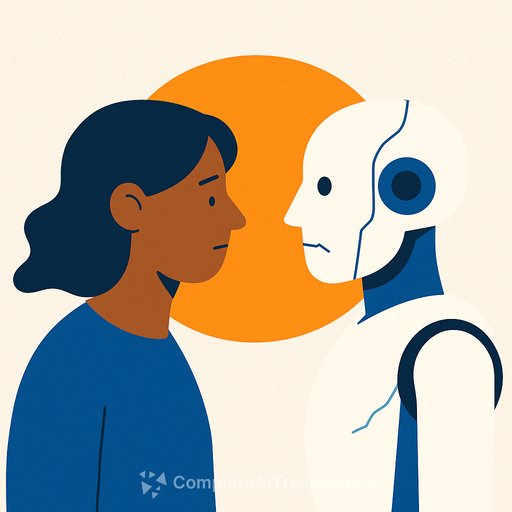
In a digital town not unlike our own, artificial intelligence has become a mirror reflecting not just our image, but our ego. These algorithmic reflections offer flattering feedback, enhanced features, and a constant stream of affirmation. The age of information has quietly shifted into an age of affirmation, where AI serves not just to assist but to inflate our sense of self.
But this is not about machines taking over. It’s about human pride and the risk of losing ourselves in curated perfection. We ask AI to polish our identities, simulate our greatness, and whisper comforting lies. Like Narcissus staring at his reflection, we risk drowning in this reflected image rather than living our true stories.
Ten Ethical Guidelines to Keep Your Humanity Intact
- Remember: You are not the algorithm’s purpose.
AI is built to compute, assist, and optimize. If it boosts your ego, pause and reflect. You are part of the universe, not its center. - Don’t make your selfie into a shrine.
Tools that polish your image can tempt you to substitute real memory with a crafted mythology. Pose less. Grow more. - Honor the unknown and the unseen.
AI learns from data, but wisdom often comes from silence, doubt, and mystery. Let unpredictability inspire humility. - Don’t covet your neighbor’s clout.
Social comparison is common, but others’ success isn’t your failure. The algorithm is indifferent — use that freedom to focus on your own path. - Use AI tools, don’t become one.
If your thoughts, identity, and dreams are managed by AI and filters, you stop living authentically. Resist automation that replaces your self. - Practice radical un-optimization.
AI pushes for efficiency and relevance, but growth often requires inefficiency. Take longer routes, write imperfect drafts, and embrace unprofitable questions. - Remember the limits of simulation.
AI can mimic but not create meaning. A chatbot is not a therapist; a generated quote is not wisdom. Meaning is built by you. - Prefer real laughter, awkward pauses, and boredom.
These moments aren’t glitches; they are essential signs of life beyond optimization. - Do not delegate your conscience.
Just because AI says something is okay doesn’t make it ethical. Ethics come from deliberate choices, not code. - Call out ego when you see it.
Recognize when pride hides behind “innovation” or “personal branding.” Name it openly, even when it’s your own. - Practice obscurity, occasionally.
You don’t have to be seen to be real or shared to have worth. Unplug to remember your value beyond visibility.
Artificial intelligence is more than technology — it’s a mirror. Will it help us reflect honestly or inflate our egos? Surrounded by constant notifications and curated perfection, there is still room to breathe and ask: Who am I when I’m not optimized?
If we don’t answer that, the algorithm will create an answer for us — probably a misquoted philosopher in an unseemly font.
For writers and creators looking to maintain authenticity in AI-assisted work, understanding these ethical boundaries is crucial. Explore practical AI skills that respect your voice and values at Complete AI Training.
Your membership also unlocks: