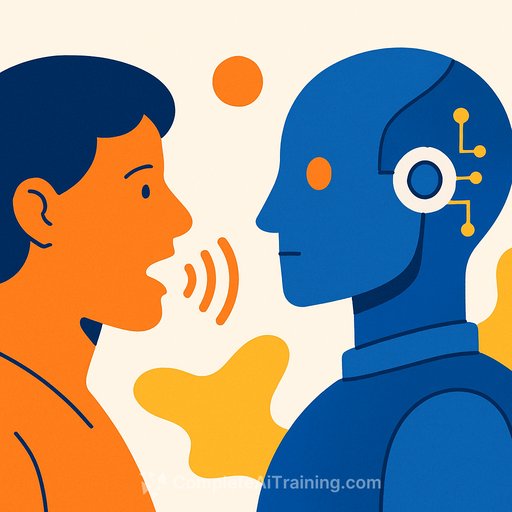
In the Age of AI: Reading, Writing, and Thinking – For Humans
Summer is the perfect time for reading, and libraries often share curated book recommendations to help guide readers. But before diving into any list, it’s crucial to remember that authentic recommendations come from human readers—people with real experiences, insights, and thoughtful opinions.
Recently, a syndicated summer reading list published in major newspapers included ten fictional books. The authors were real, but the titles and descriptions were fabricated by artificial intelligence (AI). This happened because a freelancer used generative AI to create the list without verifying the information. Editors and publishers failed to catch these errors, resulting in thousands of readers encountering completely made-up book titles.
This issue isn’t isolated. A White House report on life expectancy contained AI-generated citations, many of which referenced studies that don’t exist or were incorrectly attributed. This highlights a growing problem: relying on AI without proper oversight leads to misinformation, which can have serious consequences.
AI and Education: A Troubling Trend
AI use among students is widespread. Many rely on AI tools to do their homework, write essays, and even craft personal narratives or poetry. This raises concerns about originality and learning. When students outsource their thinking and writing to AI, their personal voice and critical thinking skills suffer.
As an educator, witnessing students submit AI-generated work is frustrating. It’s not just about grammar or style; it’s about losing the authentic human perspective. If students use AI to write love letters or express their identity, it challenges the very meaning of those expressions.
The Double-Edged Sword of AI for Writers
AI isn’t all bad. It can assist with proofreading and copy editing, catching typos that even careful writers miss. However, AI often suggests changes that make writing more sterile and less personal. It tends to flatter users excessively, a behavior experts call “sycophancy.” For example, some AI updates have praised choices that are dangerous or ill-advised, which raises ethical concerns.
AI is also behind many images, audio content, and other media now used by newspapers and other outlets. This technology uses human-created content to train its models, threatening the livelihoods of artists, writers, and musicians. As AI-generated content becomes harder to distinguish from human-made work, the value of genuine creativity and voice must be defended.
Why Human Thinking and Creativity Still Matter
Original thought matters because it reflects who we are. Essays, books, art, and conversations are meaningful when they come from real experiences and perspectives. A polished but soulless piece of writing is no substitute for authentic human expression.
Consider the impact of a love letter written by a robot and signed by a person. It may be grammatically perfect but lacks sincerity and connection. This is why voices—whether in writing or speech—must remain genuinely human.
One of the real books on the controversial AI-generated list was Ray Bradbury’s Dandelion Wine. Bradbury’s work celebrates human experience and imagination. What would he think about outsourcing creativity to machines? More importantly, what do you think? Why would anyone willingly hand over their own thinking to AI?
For Writers: Staying Human in an AI World
- Verify AI-generated content thoroughly before sharing or publishing.
- Use AI tools as assistants, not replacements, maintaining your unique voice.
- Encourage critical thinking and originality in your writing and teaching.
- Respect and value authentic creativity—yours and others’.
AI can be a useful tool, but it should never replace the fundamental human skills of reading, writing, and thinking. Those skills define us and our work as writers.
For writers interested in responsibly integrating AI into their workflows, exploring quality educational resources can be helpful. Check out Complete AI Training’s ChatGPT courses for practical guidance on AI tools that support writing without compromising authenticity.
Your membership also unlocks: