
AI news ·
Why Law Firms Are Racing to Offer AI Audit Services to Businesses
Law firms are entering the AI audit market, focusing on legal compliance and risk management. Growing regulations like the EU AI Act drive demand for these services.
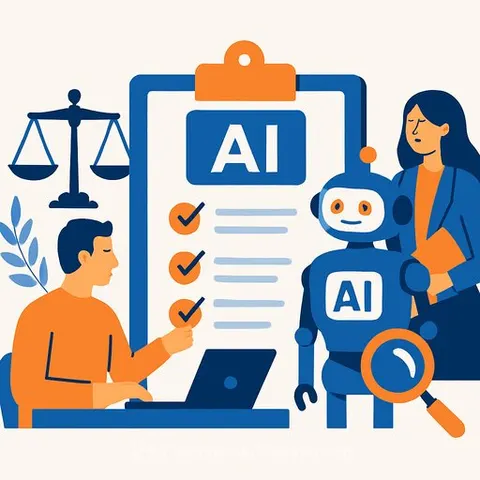
Law Firms Enter AI Audit Services Market
Law firms are increasingly offering artificial intelligence (AI) assurance services to companies, responding to growing demand for AI audits. Recent reports indicate that major accounting firms are developing audits to verify AI tools' effectiveness. Legal practitioners, including those at firms like Cripps, are also exploring how legal audits can address AI-related risks.
Focus of Legal AI Audits
Legal AI audits typically assess whether AI systems comply with the relevant legal frameworks governing a client’s operations. This often involves retrospective analysis to ensure that AI usage aligns with regulatory and contractual obligations. Currently, these audits focus on procedural and compliance aspects rather than the technical inner workings of AI systems.
Looking ahead, it is expected that by 2030, law firms may expand their AI audit services to include more technical evaluations. These could cover whether AI systems operate correctly and meet service level agreements set by suppliers.
Regulatory Drivers and Corporate Demand
Large corporations are showing increasing interest in AI audits, partly driven by regulatory requirements such as the EU AI Act. This legislation mandates organisations to implement risk management, monitor AI accuracy and robustness, and maintain quality management systems for high-risk AI applications. Human oversight of critical decisions made by AI is also required.
While AI providers bear the bulk of these obligations, organisations using AI must also manage risks appropriately. Beyond legal mandates, best practice guidelines reinforce the need for AI system audit and oversight.
- The UK’s Department for Science Innovation and Technology released a draft AI Management Essentials framework, recommending internal record-keeping for AI performance audits.
- Existing laws like GDPR require documentation and assessments related to data use, which is integral to AI operations.
Whether through direct laws such as the EU AI Act, indirect laws like GDPR, or governance frameworks such as the AI Management Essentials, companies face growing responsibilities to conduct and monitor AI risk assessments.
Limitations of Current AI Audits
Professional audit services are unlikely to involve detailed technical scrutiny of generative AI models—such as evaluating algorithmic accuracy or code execution. This is partly due to the "black box problem," where AI outputs cannot always be traced back to specific internal processes, even by developers.
Instead, audits will mainly evaluate how organisations deploy AI systems, ensuring usage complies with legal standards and internal policies to maintain safety and legality.
For legal professionals interested in AI compliance and audit services, staying informed of regulatory changes and best practices will be essential. Resources and courses on AI governance and legal frameworks can help build expertise in this emerging area.
Explore comprehensive AI training options to deepen your understanding of AI audits and compliance at Complete AI Training.