Why Big Game Companies Hesitate to Use AI in Development
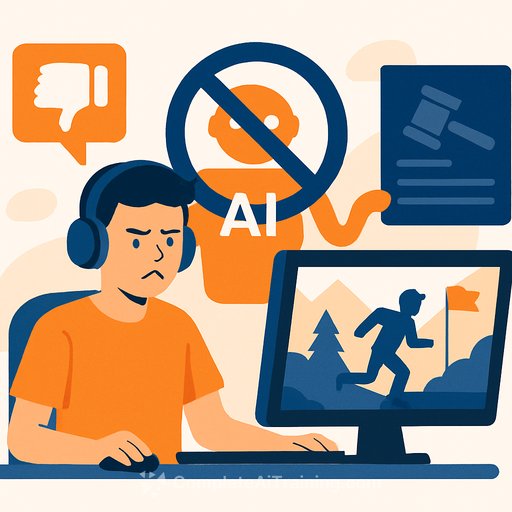
Major players in the gaming industry like EA, Take-Two, and CD Projekt RED are openly cautious about integrating generative AI into their development pipelines. Their concerns aren't just technical—they worry about legal risks and the potential backlash from their player base.
Legal and Ethical Risks
Take-Two highlights that AI usage "poses social and ethical threats" that could lead to both legal challenges and damage to their reputation. EA echoes this, emphasizing that AI could erode the trust players place in their brands. Meanwhile, CD Projekt RED points out the dangers of copyright infringement, especially when AI-generated content is based on unlicensed materials.
These concerns are grounded in ongoing legal battles. Generative AI models are typically trained on copyrighted works, which has already led to lawsuits from media companies, musicians, and actors. A court ruling against AI-generated content could force publishers to overhaul large portions of their games or face litigation.
Player Backlash and Financial Impact
Gamers have shown strong resistance to AI-generated visuals and voice work. This pushback sometimes escalates to calls for boycotts, directly impacting sales and company revenue. Developers are now factoring these opinions into their project plans to avoid alienating their audience.
Even licensed uses of AI voice replication can spark controversy. For instance, the AI-generated voice of Darth Vader in Fortnite, based on the late James Earl Jones, has raised concerns among voice actors. These professionals are currently on strike, worried that AI could replace them.
What This Means for IT and Development Professionals
For those working in game development or AI integration, this situation underscores the importance of carefully weighing the benefits of AI against ethical, legal, and community factors. It’s not enough to focus solely on innovation; understanding player sentiment and compliance with intellectual property laws is crucial.
If you want to deepen your knowledge of AI tools and their applications, consider exploring targeted courses that cover AI ethics and legal considerations in creative industries. Resources like Complete AI Training's latest AI courses can provide valuable insights for developers navigating these challenges.
Key Takeaways
- Big game companies are wary of AI due to legal and reputational risks.
- Generative AI training on copyrighted content raises significant legal questions.
- Gamers often react negatively to AI-generated content, affecting sales.
- Voice actors and other creatives fear job displacement from AI.
- Developers must balance innovation with ethical and legal responsibilities.
Your membership also unlocks: