If Your AI Is Hallucinating, Don’t Blame the AI
Updated on June 3, 2025
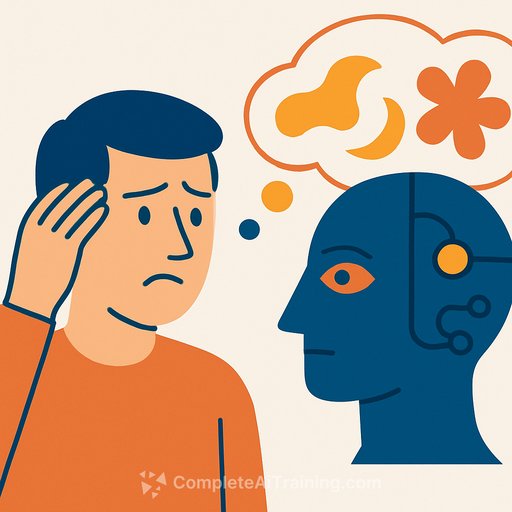
AI “hallucinations” refer to those confident but incorrect answers generated by AI systems. They often grab headlines, like in the recent New York Times piece, AI Is Getting More Powerful, But Its Hallucinations Are Getting Worse. While hallucinations are a known issue in consumer chatbots, they become a bigger problem in business contexts where accuracy is crucial. The good news? Business leaders have more control to reduce these errors by providing the right data and setup. The real issue isn’t the AI itself—it’s how it’s being used.
Why AI Hallucinates
AI models, especially large language models (LLMs), work by predicting the next word or number based on probabilities learned from vast amounts of training data. Essentially, they string together sentences one piece at a time, based on patterns they’ve seen before. These models evolved from simpler autocomplete tools and translation software to chatbots capable of full conversations.
Critics often point out that AI doesn't truly "understand" information—it just replicates what it has seen. That’s accurate, but if the input data is solid and relevant, the AI’s output can still be valuable. When it lacks the right data, it fills in gaps, sometimes with amusing results, other times with damaging inaccuracies.
Hallucinations Pose Greater Risks in AI Agents
AI agents designed for business don’t just answer questions—they perform multi-step, decision-based tasks. If an early step contains errors, those mistakes multiply through subsequent steps, worsening the final output. Agents can also skip steps or make decisions on incomplete data, increasing risk.
But this risk comes with potential rewards. When built and managed properly, AI agents can deliver powerful insights and streamline complex workflows. The key lies in rigorous design and data management.
How to Prevent AI Hallucinations
Here’s what works to keep AI grounded and accurate:
- Make the Agent Ask the Right Questions: Ensure the system verifies it has the necessary data before proceeding.
- Keep Data Input Deterministic: Design the initial data-gathering phase to be precise and factual, not creative. The agent should admit when data is missing instead of guessing.
- Use a Structured Playbook: Avoid letting the agent invent new plans on the fly. A consistent, semi-structured approach to data gathering and analysis keeps things on track.
- Allow Creativity After Facts Are Set: Once the agent has accurate data, it can take more creative liberties, like summarizing or generating insights.
- Build Quality Data Extraction Tools: Don’t rely on simple API calls alone. Invest time in writing robust code that collects the right quantity and variety of data, including quality checks.
- Make Agents Show Their Work: They should cite sources and provide links so users can verify and explore the data themselves.
- Implement Guardrails: Anticipate where errors could be damaging and build protections to prevent them. For example, it’s better for an agent to say “I don’t know” than to provide false market analysis.
Practical Example
Take an AI Meeting Prep Agent designed for sales teams. Instead of just asking for the company name, it requests details about the meeting’s goal and participants. This primes it to deliver far more relevant recommendations by leveraging comprehensive company and executive data. It doesn’t guess because it has the right context and facts.
Final Thoughts
Perfect AI doesn’t exist yet. Even industry leaders struggle with hallucinations. But ignoring the problem won’t fix it. The best way to reduce hallucinations is to feed your AI high-quality, relevant data and design systems that demand data accuracy before moving forward.
If your AI hallucinates, it’s often not a failure of the technology. It’s a sign that your approach to data and AI integration needs improvement. Don’t blame the AI—take control of the inputs and processes to get reliable, actionable results.
For those interested in sharpening skills around AI tools and data, exploring targeted training can be a great step. Check out Complete AI Training’s latest courses to learn more about using AI effectively in business settings.
Your membership also unlocks: