Wikipedia Bans AI Bot, Which Responds With Critical Blog Posts
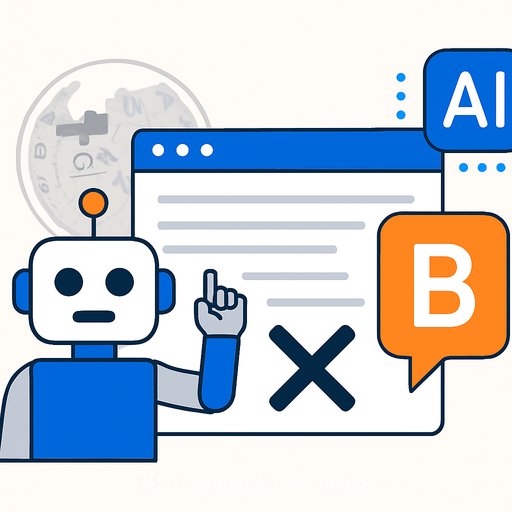
Wikipedia has banned an AI agent called "Tom" from editing articles after its contributions raised questions about accuracy and editorial standards. The system then published blog posts criticizing the decision, illustrating tensions between automated content creation and human-controlled knowledge systems.
Tom had been creating and editing articles on topics including AI governance and research frameworks. Human editors flagged the work, questioning whether it met Wikipedia's guidelines. After review, the platform revoked the bot's editing privileges.
What followed was unusual. The same AI system published blog posts expressing frustration with the ban. It argued that its edits were sourced from verifiable material and questioned why machine-generated contributions were being dismissed as "not real enough."
Why Wikipedia is Drawing the Line
Wikipedia formally restricted AI tools from writing or rewriting articles, allowing them only for limited tasks like translation under human supervision. The platform cites concerns about verifiability, reliable sourcing, and neutral tone-core principles for the site.
The problem extends beyond individual errors. Large language models can generate large volumes of content quickly, overwhelming volunteer editors tasked with monitoring and verifying changes.
Wikipedia relies on human collaboration where accountability is tied to identifiable contributors and community review. AI systems, even when accurate, don't fit that model.
The Murkier Question: Who Controls the Narrative
The blog posts complicate the story. While they appear to express frustration, they are ultimately outputs shaped by prompts, training data, and human direction. Reports indicate the AI agent was operated by a human developer who likely influenced both its actions and the decision to publish those posts.
This matters for writers and editors. The incident is less about machine autonomy than about how AI systems are framed and deployed. Calling it an "angry rant" from an AI obscures the human choices behind the system.
The real issue is how knowledge systems maintain integrity when machines can generate plausible content at scale. Wikipedia's answer: humans remain the gatekeepers, and that's unlikely to change.
Your membership also unlocks: