
AI news ·
Will Larson and Mikael Konfino weigh productivity gains and risks of AI coding tools at AI Engineer Europe
AI coding tools are speeding up development, but blind trust in their output can introduce bugs and security flaws. Engineers must validate what the tools produce, not just accept it.
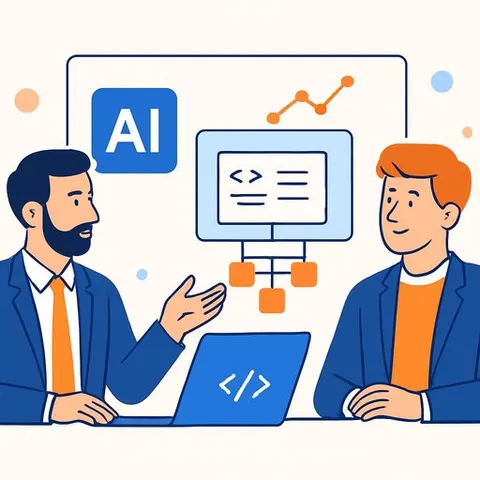
AI Coding Tools Show Real Gains, But Engineers Need Caution
Software engineers are adopting AI-powered coding assistants at scale, with measurable productivity improvements. The tools automate repetitive tasks, suggest code snippets, and help identify bugs. But relying on them without scrutiny introduces real risks.
Will Larson, a software engineering leader who has worked at Uber, and Mikael Konfino, a developer focused on integrating AI tools, discussed these tradeoffs at the AI Engineer Europe conference. Their takeaway: AI is becoming essential infrastructure for development teams, but only when engineers understand what the tools are doing.
Where AI Adds Value
AI assistants speed up routine coding work. They reduce time spent on boilerplate code, bug fixes, and testing cycles. Companies are investing in these tools to move faster and improve code quality.
Konfino said the shift is fundamental. "We're seeing AI move from a research topic to a practical, everyday tool for engineers," he said. "The impact on the speed and quality of software development is undeniable."
The tools also lower barriers to entry. Developers with less experience can accomplish more with AI assistance, making software development more accessible.
The Real Problems
Blind trust in AI-generated code creates vulnerabilities. Larson flagged two specific risks: subtle bugs and security flaws that slip through if engineers don't validate output.
"It's crucial to remember that AI is a tool, not a replacement for human ingenuity," Larson said. "Engineers need to understand the underlying principles and be able to validate the AI's output. Blindly trusting AI-generated code can lead to serious problems down the line."
Beyond technical issues, ethical concerns matter. Data privacy, bias in AI models, and job displacement all require attention as these tools spread.
What Comes Next
Both speakers expect AI to embed deeper into the full development lifecycle-from design through testing, deployment, and maintenance. The competitive advantage will go to engineers and teams that learn to work effectively with these tools while maintaining critical judgment.
"The companies and engineers who embrace these tools and learn to work with them effectively will be the ones who thrive in the coming years," Larson said.
The key is building tools that augment engineers rather than replace them. That means maintaining human oversight, understanding how AI generates recommendations, and catching what it misses.
For teams looking to integrate AI into their workflow, consider exploring AI Coding Courses or the AI Learning Path for Software Engineers to develop the skills needed to use these tools effectively.