Legal Teams Face Trust Challenge as AI Adoption Hits 92 Percent
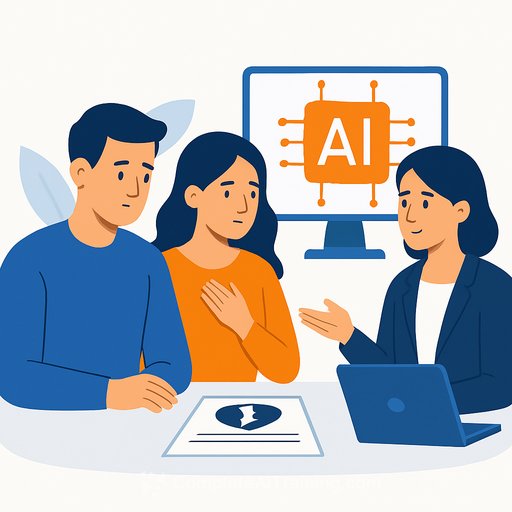
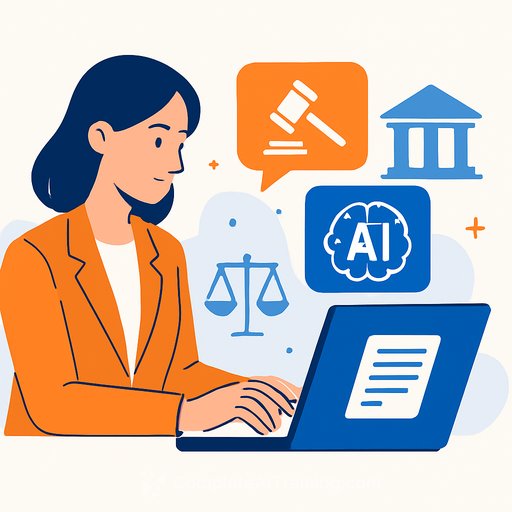
Lawyers across the globe have embedded AI into their daily workflows, but building client confidence remains the harder problem. A new survey of 810 legal professionals across the U.S., China, and nine European countries shows that 92 percent of legal teams now use AI tools-yet significant gaps remain in ethics, data privacy, security, and training.
The 2026 Wolters Kluwer Future Ready Lawyer Survey found that being ready for an AI-driven practice means more than adopting the latest software. It requires demonstrating transparency, using AI responsibly, and developing teams that understand both the potential and limits of these tools.
Culture Matters More Than Technology
Trust starts with how firms approach AI internally. Mark Brennan, a partner at Hogan Lovells, said the cultural shift is about normalizing both the use of AI and the obligation to question it. "Lawyers and business teams need both to feel empowered to use AI and essentially obligated to question it," he said.
This shows up in practice through simple behaviors: documenting AI use in research and drafting, encouraging early escalation of uncertainty, and training lawyers to test outputs rather than accept them uncritically. Firms that reward sound judgment and transparency-not just speed-create environments where AI use becomes standard and trust follows.
Human Oversight Is Non-Negotiable
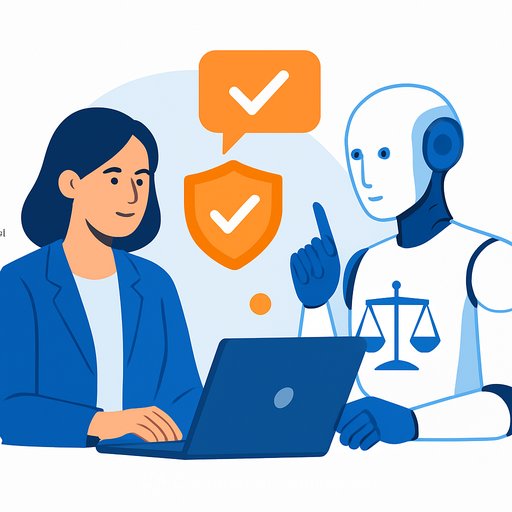
AI outputs must be reviewed through sound legal reasoning and ethical judgment by a human in the loop. Amy Dietrich, director of Research & Competitive Intelligence at Paul, Weiss, emphasized that law firms need ongoing training so lawyers genuinely understand AI systems' potential and limitations.
Testing and practical experimentation matter. Problems become opportunities to evaluate different models and tools. Without this hands-on learning, lawyers cannot effectively challenge AI outputs or explain their decisions to clients.
Clients Already Expect AI Competence
Fifty-four percent of clients increasingly expect their legal partners to be AI competent and use AI responsibly. Licia Garotti, a partner at PedersoliGattai, said using AI is no longer a differentiator-it's table stakes.
Clients also compare law firm output directly with AI-generated output they produce themselves. They expect faster delivery, higher service levels, and lower costs reflecting efficiency gains. Legal professionals must constantly improve their AI skills to address these expectations.
Trust Requires Transparency and Source Attribution
Viktor von Essen, CEO at Libra by Wolters Kluwer, identified two prerequisites for AI adoption in legal work. First, the technology must fully comply with applicable regulations and be trustworthy and reliable enough for lawyers to upload sensitive documents.
Second, the technology must be transparent and traceable to its source. Lawyers must back arguments with authoritative content-court opinions and secondary sources they can verify. Transparency, reliability, and source traceability form the foundation for building trust and gaining adoption.
Global Standards Needed for Cross-Border Work
Martin O'Malley, CEO at Wolters Kluwer Legal & Regulatory, said universal principles are vital for maintaining consistent trust standards across borders and jurisdictions. Privacy, security, confidentiality, and diligence must be consistent across markets.
He advocated for establishing global minimum standards around AI practices, including data handling and documenting human review. As AI becomes more pervasive, human oversight and quality controls must scale as well.
Training Is Essential, Not Optional
Legal professionals need an unwavering commitment to AI literacy and continuous learning. The survey shows that firms and legal departments must invest in ongoing training so lawyers understand both what AI can and cannot do.
For more on building AI skills in legal practice, see AI for Legal and the AI Learning Path for Paralegals, which covers document review automation, contract analysis, and legal research tools.
Your membership also unlocks: