AI Adoption Is Widening the Gender Gap in Workplaces
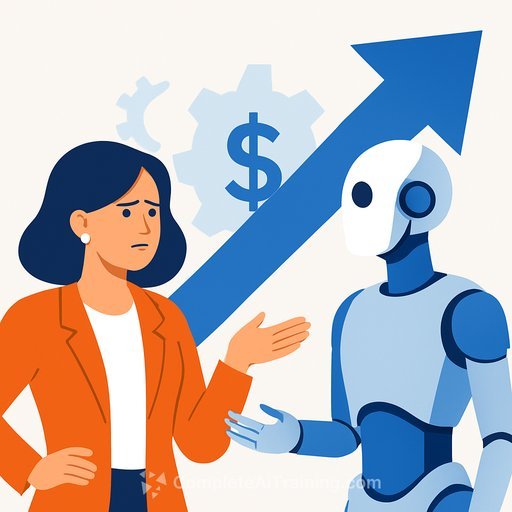
Women are using generative AI tools at lower rates than men, but not because they lack the ability. Research shows women fear their work will be credited to the AI rather than their own skills, while men using the same tools are seen as efficient and innovative. This double standard reflects existing workplace biases and threatens to deepen gender inequalities as organisations become more reliant on AI.
The concern extends beyond tool adoption. When women hesitate to use AI, they risk falling behind in sectors where these tools are becoming essential for career advancement. The result is a self-reinforcing cycle: caution about AI use limits opportunity, which widens the gap between men and women in tech-driven roles.
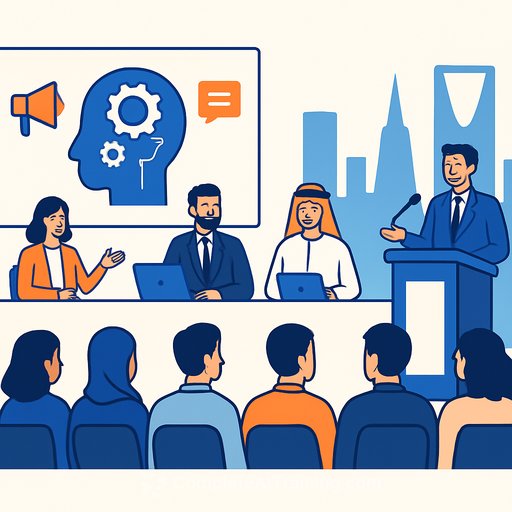
How AI Is Changing Workplace Communication
AI systems are shifting how teams communicate and make decisions. These tools often enforce clearer, more direct language, which can strip away the nuance and context that characterise human conversation. What looks like improved clarity on the surface may actually reduce the unspoken understanding colleagues build through natural interaction.
This matters for PR and communications professionals. As AI shapes internal communication norms, organisations risk losing the subtle discussions that drive innovation and progress. Tensions that need airing get smoothed over in favour of harmony, leaving problems unexamined.
Authority and Decision-Making Are Shifting
Traditional leadership has long rested on individual expertise. That's changing. As AI democratises access to data, leadership increasingly means interpreting what algorithms recommend rather than drawing on deep knowledge. Decision-making becomes faster but also more algorithmic.
The risk is that employees move into roles focused on endorsing AI outputs rather than critically analysing them. Genuine decision-making requires human judgment, yet organisations often adopt algorithmic recommendations without scrutiny. This raises questions about whether real authority remains in the hands of people or has shifted to machines.
What This Means for Organisational Culture
AI integration is not simply a technical change. It reshapes how teams communicate, who holds authority, and what gets valued. Without deliberate management, these shifts can reinforce the biases AI was supposed to help eliminate.
Organisations must think strategically about how AI is deployed. The same tool that improves efficiency can also entrench inequality if implementation ignores gender dynamics and workplace culture. Success requires addressing both the technology and the human environment where it operates.
For communications and HR leaders, this is a strategic concern. The way AI is introduced affects how employees trust the organisation, how diverse voices are heard, and whether career advancement remains genuinely open to all. AI for PR & Communications professionals should understand these dynamics. So should AI for Human Resources teams responsible for hiring and talent development.
The path forward requires both technical competence and cultural awareness. Organisations that manage this thoughtfully can use AI to reduce bias. Those that don't risk making existing problems worse.
Your membership also unlocks: