AI Meets Healthcare at Wuzhen: Faster, Smarter, More Human-Centered
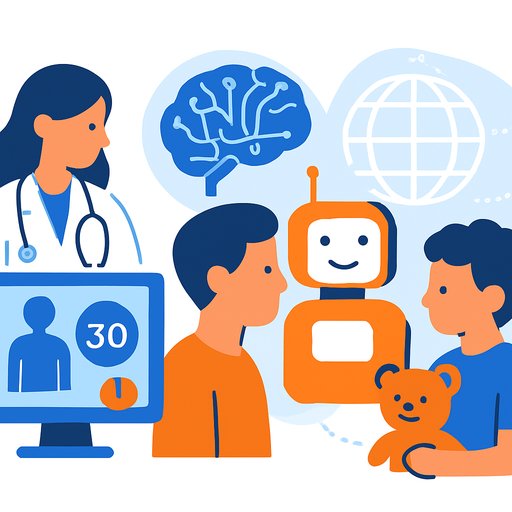
The 2025 World Internet Conference Wuzhen Summit is underway in Zhejiang, China, from November 6 to 9. Its core theme: building a community with a shared future in cyberspace. At "The Light of Internet Expo," healthcare took center stage with demos ranging from 30-second health scans to AI companions that support children with autism.
If you work in care delivery, operations, or digital health, here's what actually matters-and how to make it work in your setting.
30-Second Health Scans: Useful Where Time and Access Are Tight
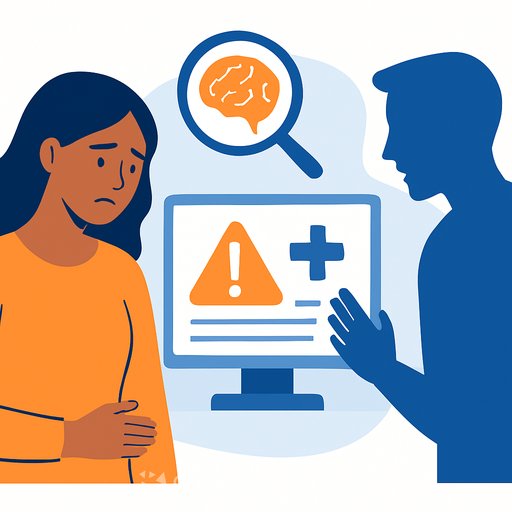
Quick screening stations are moving from concept to clinic. Think multi-sensor pods or kiosks that capture vital signs, basic assessments, and structured symptom intake in under a minute. The goal isn't to replace exams; it's to shorten queues, catch risks earlier, and keep staff focused on higher-value decisions.
- Where it fits: triage intake, community clinics, employer health, pharmacy hubs, pre-op checks, and rural outreach.
- Integration: push results straight into your EHR with FHIR; route flags to a nurse queue; auto-create encounter notes to cut admin time.
- Clinical guardrails: calibrate devices, define escalation thresholds, and document what the tool can-and cannot-detect.
- Operations: assign ownership for daily QC, create downtime procedures, and set SLAs with the vendor for sensor failures.
Risk management is the real work. False negatives and false positives both carry costs. Put in place a clear recheck path (e.g., second reading by a clinician, spot audit rate), and make sure patients know it's screening, not diagnosis.
AI Companions for Autism: Support Between Sessions
AI companions are being used to practice social cues, turn-taking, and emotion recognition. They don't replace therapy. They extend it-keeping engagement going at home and providing structured practice between clinician visits.
- Clinical use: reinforce therapy goals, track engagement minutes, and prompt parent participation with simple, coach-like scripts.
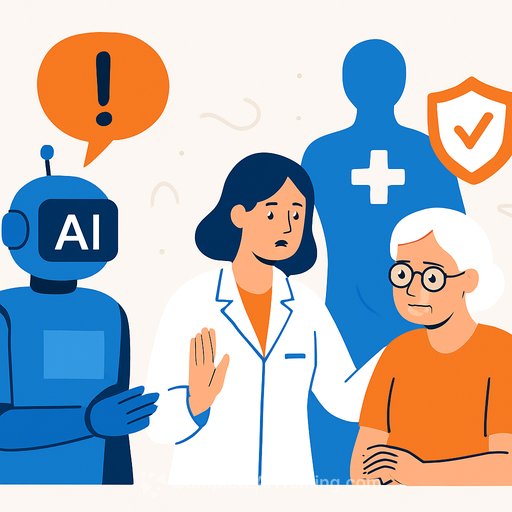
- Safety and ethics: obtain consent, log conversations, filter unsafe content, and allow clinicians to review summaries-not raw transcripts-to protect privacy.
- Measurement: define success upfront-engagement duration, goal completion rates, caregiver-reported progress, and clinician-rated outcomes.
Equity matters. Offer offline modes where bandwidth is limited, keep language options broad, and avoid paywalls that block access for the families who benefit most.
Shared Future in Cyberspace: Interoperability, Trust, and Reach
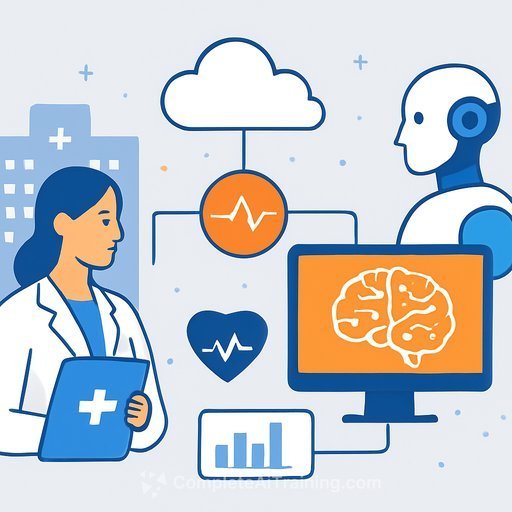
"Shared future" sounds abstract until you map the pipes. Interoperability gets real with standards like HL7 FHIR and clear data-sharing agreements across regions. Privacy and security aren't extras-they're the foundation for patient trust and cross-border collaboration.
- Governance: define data minimization, retention, and access controls; document model updates and versioning.
- Fairness: test performance across age, sex, ethnicity, and device types; publish known limitations in plain language.
- Regulation: align with local approvals and guidance for AI-enabled tools. Track post-market performance and adverse events.
For reference, see guidance from the WHO on AI in health and the FDA's AI/ML medical devices page.
Implementation Checklist (Use This Before You Buy Anything)
- Problem first: write a one-sentence problem statement and the metric you plan to move (e.g., triage wait times, no-show rates, documentation minutes per visit).
- Stakeholders: name the clinical owner, operations lead, data privacy lead, and IT integration lead.
- Data and integration: confirm FHIR endpoints, mapping, and read/write permissions. Test in a sandbox with synthetic data first.
- Clinical validation: run a small, controlled pilot; compare against standard of care; predefine stopping rules.
- Bias and safety: evaluate performance on key subgroups; set thresholds that minimize harm; log overrides and escalations.
- Regulatory and ethics: check local requirements, consent language, and institutional review processes where applicable.
- Security: complete a vendor security review (encryption, SOC 2/ISO 27001, incident response, data locality).
- Change management: train staff, create quick-reference guides, and set up a feedback loop for weekly tweaks during rollout.
- Contracts: include uptime SLAs, support response times, data ownership, model update transparency, and exit terms.
Metrics That Prove Value
- Access and flow: time-to-triage, time-to-result, throughput per clinic hour.
- Quality and safety: recheck rates, escalation rates, missed follow-up events, and agreement with clinician assessment.
- Experience: patient satisfaction, caregiver engagement, and staff workload reductions.
- Cost and capacity: avoided visits, reduced overtime, and device uptime.
Pick three metrics that matter most, track them weekly for the first 90 days, and share the dashboard with the team. Small, visible wins keep adoption moving.
Practical Use Cases You Can Pilot This Quarter
- Front-door screening: a 30-second check for vitals and flagged symptoms that pre-fills the chart before the clinician enters.
- ED triage assist: structured symptom capture with automated acuity suggestion (final call remains with the nurse).
- Therapy support: AI companion sessions between visits with weekly summaries for the clinician.
- Documentation help: generate first-draft notes from structured intake and patient-reported outcomes, then finalize in the EHR.
Upskill Your Team
Most projects stall on skills, not ideas. Give clinicians and operations leads a common baseline on AI workflows, safety, and metrics. A short, focused course beats a 200-page policy that no one reads.
- AI courses by job role for practical, healthcare-ready learning paths.
- Latest AI courses to keep your team current without losing a week to theory.
The signal from Wuzhen is clear: AI in healthcare is moving from demo to deployment. Keep the focus on workflow fit, safety, and measurable outcomes. If it helps clinicians spend more time with patients-and you can prove it-scale it.
Tags: World Internet Conference . shared future . AI companions
Your membership also unlocks: